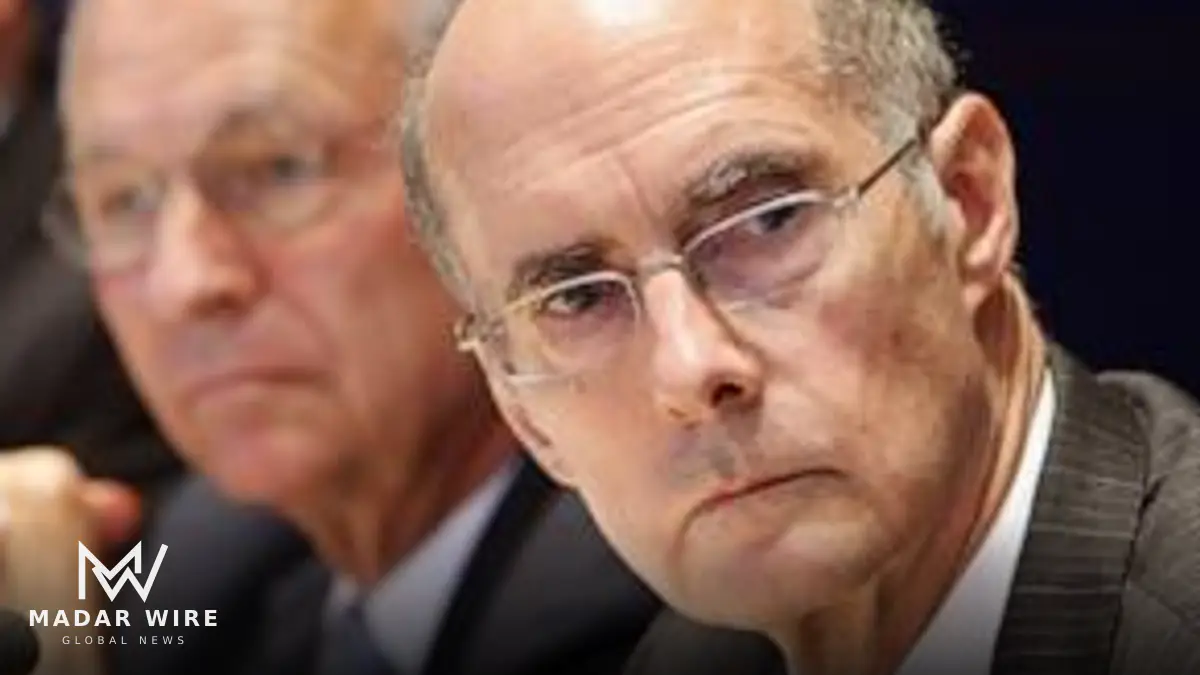
Strobe Talbott, a Pulitzer Prize-winning journalist and one of President Bill Clinton’s most influential foreign policy advisers, has died at the age of 80, according to ABC News.
Career Spanning Journalism and Diplomacy
Talbott’s career bridged two of America’s most consequential institutions: journalism and statecraft. He began as a reporter for *Time* magazine, where his reporting earned him a Pulitzer Prize in 1973 for his coverage of the Vietnam War. His analytical depth and diplomatic acumen later made him a sought-after voice in Washington, culminating in his appointment as Deputy Secretary of State in 1994—a role he held until 2001.
During his tenure, Talbott played a pivotal role in shaping U.S. responses to the Balkans’ ethnic conflicts, the Kosovo War, and the expansion of NATO. His work also included negotiations with Russia, where his efforts helped stabilize post-Cold War relations. ABC News noted his reputation as a bridge-builder between East and West, a legacy that defined his later years in think tanks and academia.
A Voice of the Clinton Era
Talbott’s influence extended beyond government. As a senior fellow at the Brookings Institution and a frequent commentator, he remained a voice of reason on global affairs, often critiquing both Democratic and Republican administrations. His 1998 book *The Case for NATO Expansion* became a seminal text in debates over U.S. alliances in Europe. Even after leaving office, he continued to advise presidents on matters of national security, including under Barack Obama.
His death leaves a void in the ranks of Cold War-era diplomats who navigated the geopolitical shifts of the late 20th century. Talbott’s ability to translate complex international issues into accessible analysis earned him respect across party lines. ABC News reported no immediate details on the cause of death or funeral plans.