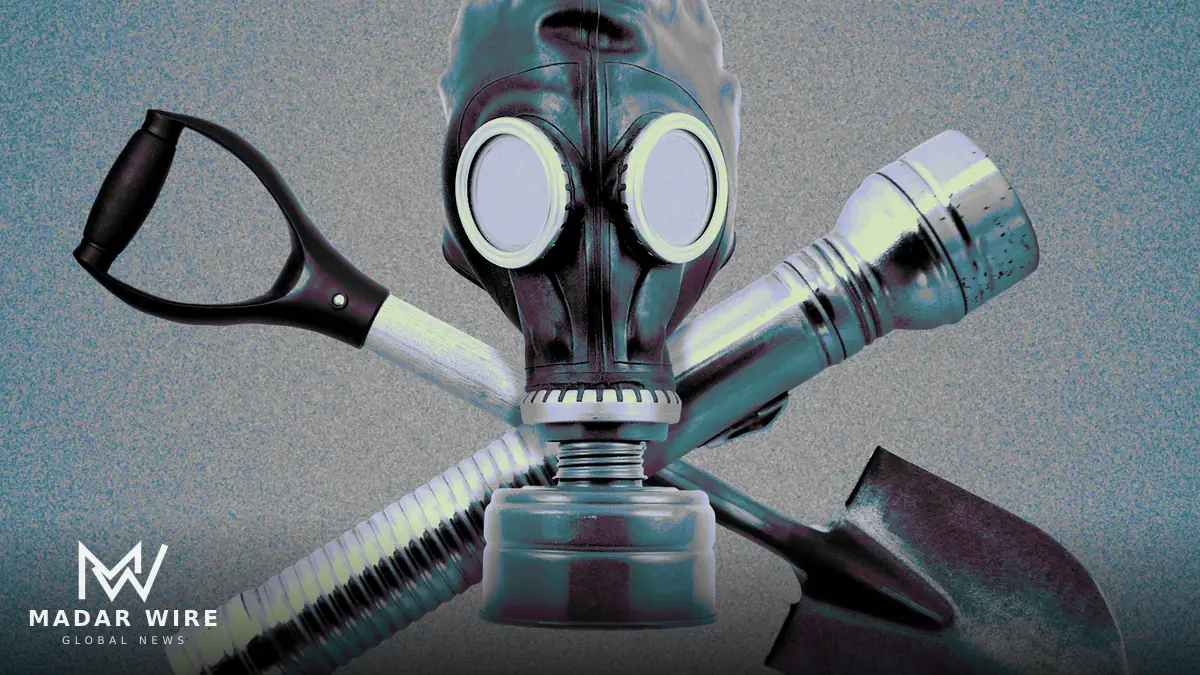
The stigma attached to prepping culture is rapidly eroding, driven by a string of recent technological failures and infrastructure disruptions. According to NPR US News, a growing number of Americans who previously dismissed survivalist advice are now actively seeking guidance on how to become self-reliant.
This shift is not merely a trend but a practical response to visible instability. Major government network crashes, widespread flight stoppages, and persistent tech outages have highlighted the fragility of modern digital dependencies. For many, these events have transformed preppers from eccentric outliers into practical advisors.
From Skepticism to Self-Reliance
Historically, individuals who stockpiled food, water, and emergency supplies were often viewed with suspicion or ridicule. However, the frequency of recent disruptions has changed the narrative. NPR US News reports that online forums and social media platforms are experiencing a surge in users asking for basic preparedness tips. These inquiries range from simple water filtration methods to offline communication strategies, indicating a broadening of interest beyond hardcore survivalists.
The drive for self-reliance is fueled by a desire for control in an increasingly unpredictable environment. As digital services fail, the value of analog skills and physical resources becomes apparent. This practical approach is attracting a demographic that includes young professionals and suburban families who had little prior interest in emergency planning.
The New Normal of Preparedness
Experts note that this cultural shift reflects a deeper anxiety about infrastructure resilience. The reliance on centralized digital systems has created single points of failure that can disrupt daily life on a massive scale. By learning to operate independently of these systems, individuals are mitigating their personal risk.
While the core principles of prepping remain unchanged, the audience has expanded significantly. The conversation has moved from fringe internet subcultures to mainstream news cycles and household discussions. This normalization suggests that preparedness is becoming a standard component of personal financial and logistical planning, rather than a niche hobby.
As technology continues to evolve, the potential for new types of outages remains high. The current wave of interest in self-reliance indicates that the public is preparing for a future where digital connectivity is not guaranteed. This proactive stance marks a significant departure from the passive reliance on institutional support that characterized the previous decade.