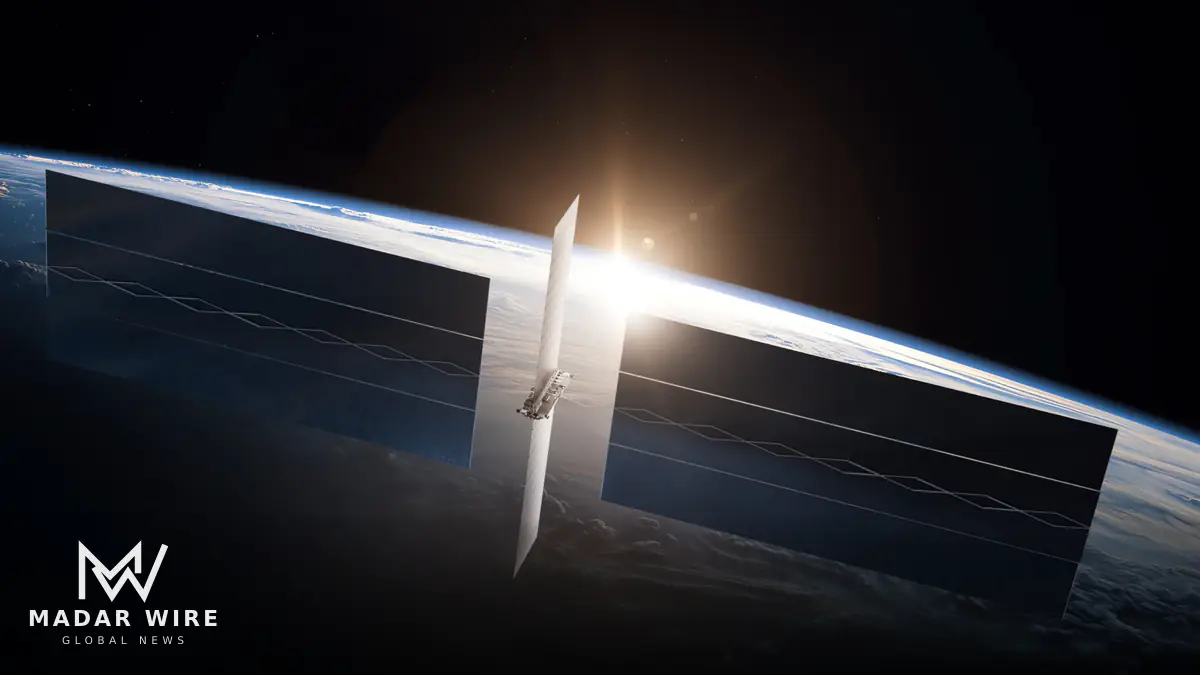
SpaceX has secured regulatory approval to launch its ambitious Starmind satellite constellation, a project designed to fundamentally alter the landscape of global AI computing. According to reports from BBC News - Technology, the initiative aims to deploy up to one million satellites into low Earth orbit to meet the surging demand for high-performance AI processing power.
This move marks a departure from traditional satellite internet services. While existing constellations focus primarily on data transmission for consumer connectivity, Starmind is engineered as a distributed computing network. By leveraging the vast scale of the constellation, SpaceX intends to create a cost-efficient and energy-optimized infrastructure capable of handling massive AI workloads from anywhere on the planet.
Scaling the AI Compute Backbone
The primary challenge for current AI development remains the physical limitation of terrestrial data centers, which are increasingly constrained by energy availability and cooling requirements. Starmind seeks to bypass these bottlenecks by utilizing the vacuum of space for thermal management and solar energy harvesting. By offloading computational tasks to an orbital network, SpaceX hopes to provide a scalable alternative to the centralized server farms currently dominating the industry.
Technical analysts note that the sheer density of the proposed constellation is unprecedented. BBC News - Technology highlights that the project is being positioned as the most energy-efficient method to sustain the exponential growth of AI models. By integrating compute-on-orbit capabilities, SpaceX is effectively positioning itself as a primary utility provider for the next generation of artificial intelligence.
Regulatory Hurdles and Future Outlook
The approval process for a project of this magnitude has been rigorous, involving extensive review regarding orbital debris and spectrum management. Critics have long voiced concerns over the impact of such a high volume of satellites on astronomical observations and the potential for collisions in crowded orbital shells. However, SpaceX maintains that the Starmind architecture incorporates advanced autonomous collision avoidance systems and sustainable de-orbiting protocols.
As the company prepares for the initial deployment phases, the focus will shift toward the integration of ground-based AI interfaces with the orbital network. If successful, Starmind could redefine the economics of AI, shifting the industry away from land-locked hardware toward a decentralized, space-based computing architecture.