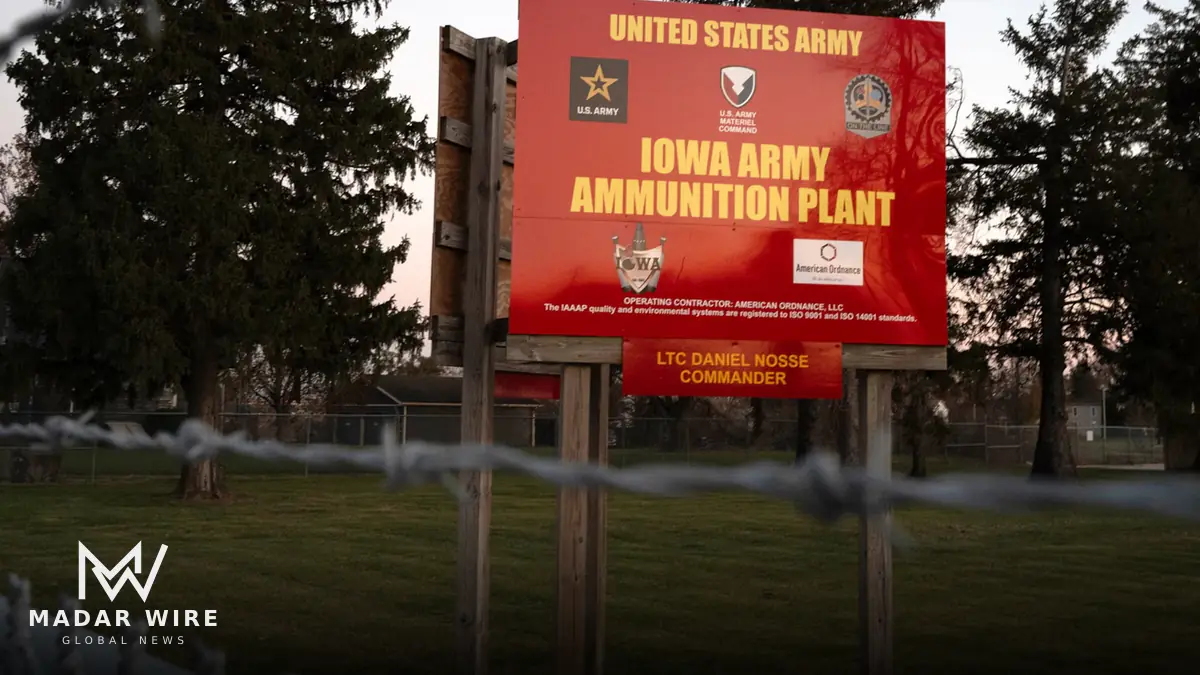
The U.S. Army has moved forward with the detonation of lead azide at the Iowa Army Ammunition Plant, an operation that has drawn significant scrutiny from local residents and environmental advocates. According to reports from US Top News, the military proceeded with the destruction of the hazardous materials despite vocal opposition regarding the potential release of toxic lead particles into the atmosphere.
The decision to utilize detonation rather than alternative disposal methods has become a focal point of the controversy. Critics of the operation, including environmental watchdogs, contend that the Army rejected cleaner, more modern technologies that could have neutralized the explosive chemicals without the risks associated with open-air burning and detonation.
Environmental and Health Concerns
The primary concern among local stakeholders remains the potential for a lead plume to drift into surrounding areas, including parts of neighboring Minnesota. While the military maintains that the operation was conducted within safety parameters, community members have expressed deep skepticism regarding the long-term environmental consequences of dispersing lead-laced debris into the local ecosystem.
State-level officials have been monitoring the situation closely, balancing the military's operational requirements with the health of the local population. The debate highlights a growing tension between national defense logistics and the environmental standards expected by modern communities living near industrial military sites.
Operational Transparency and Alternatives
The Army’s refusal to adopt alternative disposal methods has prompted calls for greater transparency in how the Department of Defense manages hazardous waste. Reports indicate that while the military cited logistical and safety protocols for choosing detonation, these justifications have failed to satisfy those who believe the environmental costs outweigh the convenience of the chosen method.
As the dust settles from the detonation, the focus is expected to shift toward independent air quality testing and the potential for long-term soil monitoring. The incident serves as a reminder of the ongoing challenges in reconciling military readiness with environmental stewardship in rural American communities.