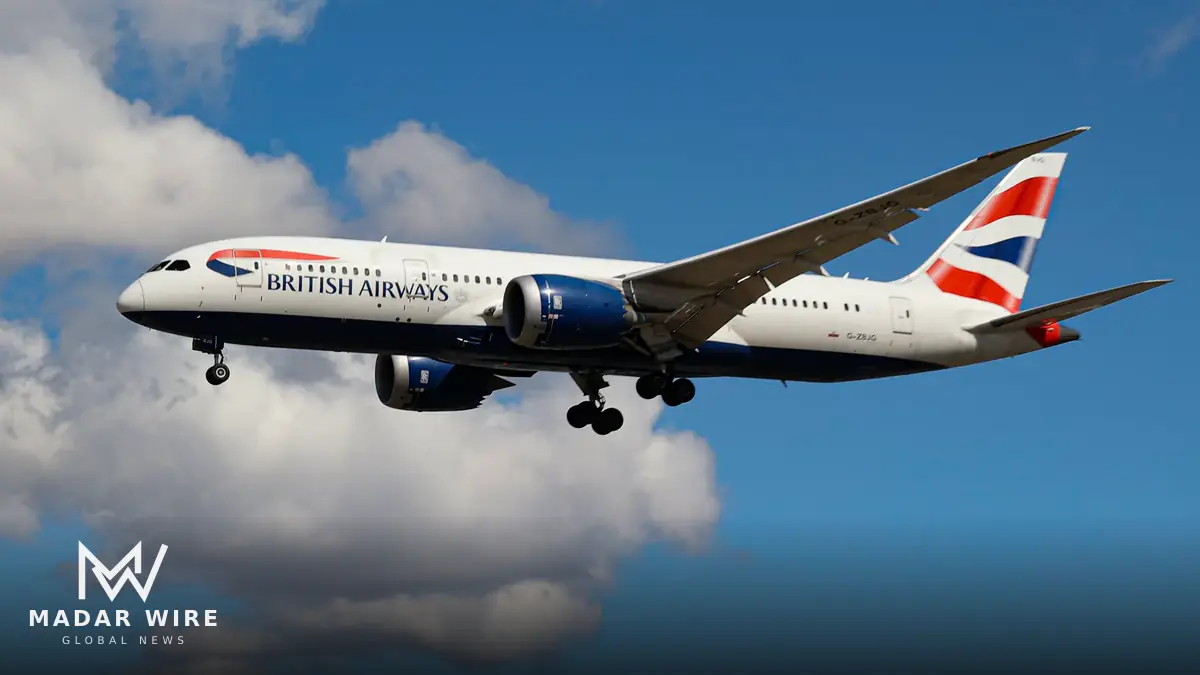
A British Airways flight departing from London declared an emergency while crossing the Atlantic Ocean earlier today, according to reports from Metro UK. The aircraft, which was operating a long-haul service, signalled a mid-air emergency after the flight crew identified a technical issue involving one of the engines.
Data from flight tracking services confirmed that the pilot squawked 7700, the universal code used by aviation authorities to indicate an emergency situation. This protocol alerts air traffic control to provide priority handling and immediate assistance to the flight crew.
Mid-air technical fault
According to initial details provided by Metro UK, the incident occurred while the jet was at cruising altitude. While the exact nature of the engine issue remains under investigation, the flight crew followed standard safety procedures by declaring the emergency to ensure the aircraft could be diverted or prioritised for landing.
British Airways has not yet released a detailed statement regarding the specific technical failure. However, the airline maintains that the safety of passengers and crew remains its highest priority. The flight path was adjusted immediately following the alert to ensure the aircraft remained within the safety parameters required for an engine-related incident.
Safety protocols and diversion
In aviation, an engine issue does not necessarily imply a catastrophic failure, but it requires immediate pilot attention and often results in a precautionary diversion to the nearest suitable airport. Ground crews and emergency services are typically placed on standby at the destination as a standard safety precaution when such alerts are raised.
The aviation industry operates under stringent safety regulations, and modern aircraft are designed to maintain flight and perform safe landings even with the loss of a single engine. Further updates are expected as the aircraft completes its landing sequence and engineers begin a formal inspection of the engine components involved in the incident.