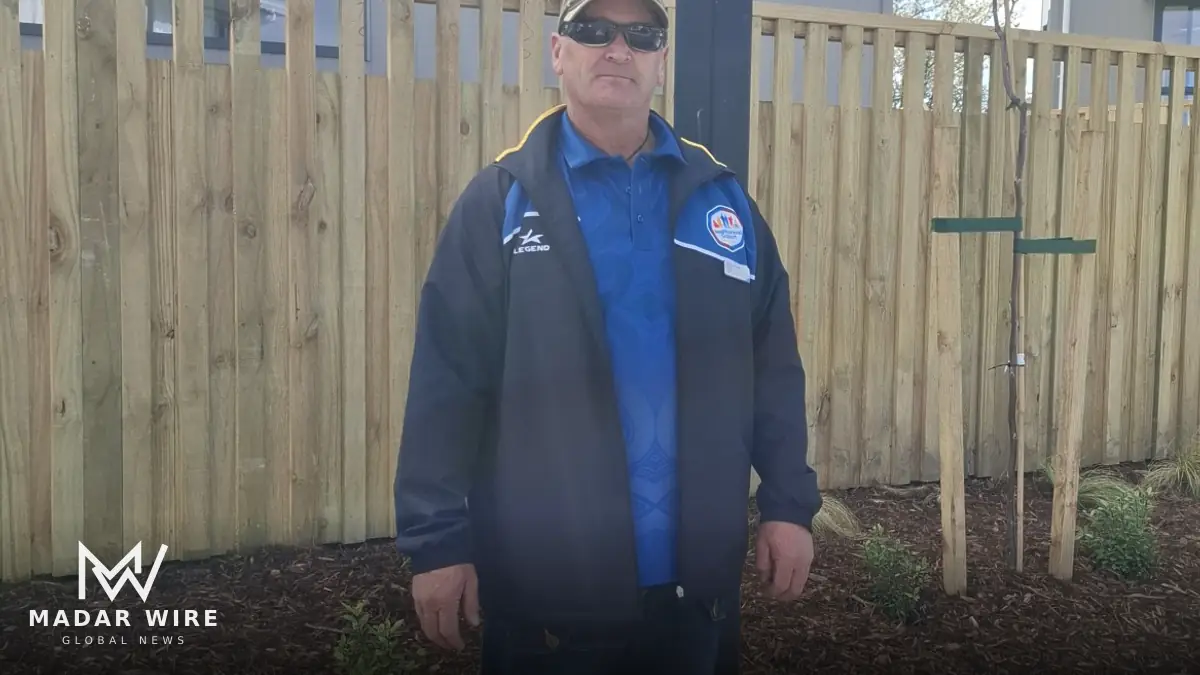
Neighbourhood Support Rotorua is playing a pivotal role in strengthening local community ties, helping residents who may feel isolated to reconnect with their immediate environment. According to a report by NZ Herald - National, the group’s structured approach has enabled individuals to take meaningful steps towards building local relationships.
The organisation operates on the premise that simple, regular interactions can significantly improve social well-being. In one notable case, an older man who had previously struggled with social confidence used the group’s platform to engage with his surroundings. Through facilitated introductions and community events, he managed to establish genuine connections with three of his neighbours.
Building confidence through connection
For many residents, particularly older adults, the transition to a new street or the gradual erosion of social networks can lead to significant loneliness. Neighbourhood Support groups address this by creating low-pressure environments where residents can meet. The older man highlighted in the NZ Herald - National report described the experience as transformative, noting that knowing his neighbours by name changed his daily sense of security and belonging.
The group’s methodology focuses on small, manageable steps. Rather than large-scale events, they often encourage simple acts such as sharing a cup of tea or a brief chat over the fence. This incremental approach helps reduce the anxiety associated with social interaction, allowing participants to build trust at their own pace.
Strengthening the local fabric
Community leaders in Rotorua have noted that such grassroots initiatives are essential for maintaining a resilient local fabric. By fostering neighbourly relationships, the group not only combats isolation but also creates a informal safety net. When residents know each other, they are more likely to look out for one another during emergencies or times of distress.
Neighbourhood Support Rotorua continues to expand its outreach, encouraging more residents to participate in local activities. The success of individual stories, like that of the older man who connected with three neighbours, serves as a testament to the power of community engagement. As the group looks to the future, it remains focused on ensuring that no resident feels alone in their own neighbourhood.
Experts in community development suggest that these small-scale interventions have a compounding effect on overall community health. By prioritising face-to-face interaction, the group is helping to rebuild the social capital that is often lost in modern, fast-paced living. The initiative stands as a model for other regions looking to enhance local cohesion.