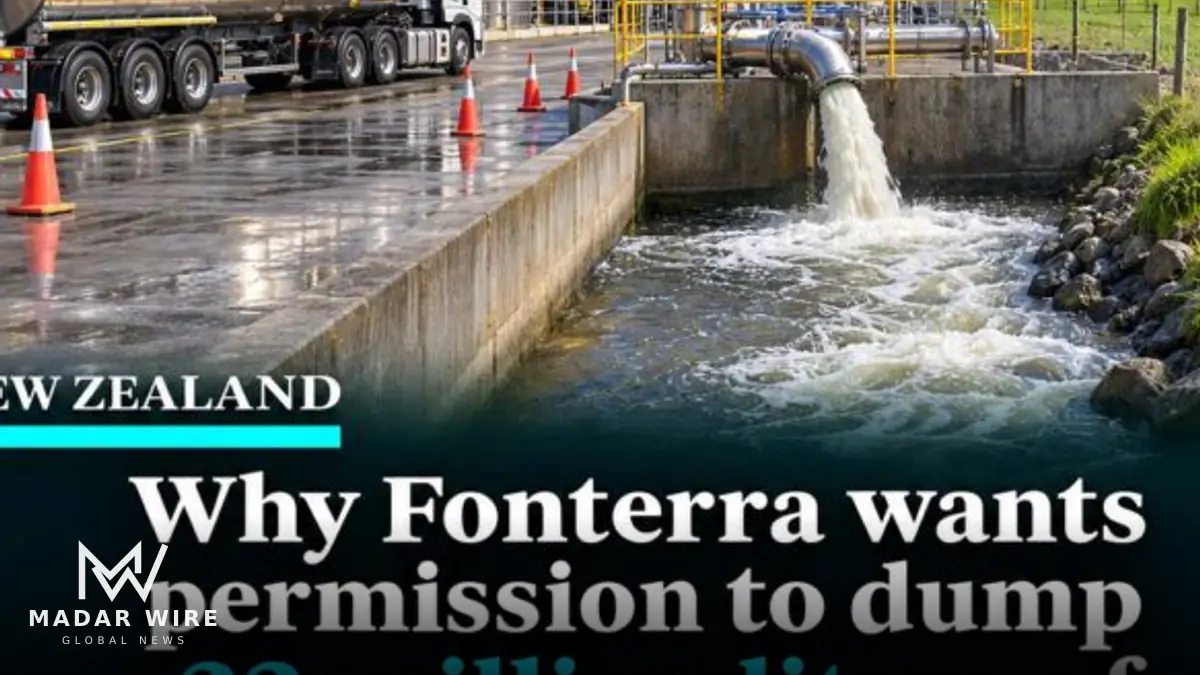
Fonterra has formally requested permission to dump 22 million litres of raw milk, a move that has drawn attention to the complexities of managing dairy supply in New Zealand. The co-operative explains that this disposal is necessary due to specific logistical constraints and current market conditions that make storage or processing economically unviable.
According to reports from New Zealand Top News - Google, the volume represents a significant portion of daily production. The company states that retaining the milk would incur higher costs than the value of the product itself, given the current pricing environment and limited processing capacity.
Logistical and Market Pressures
Dairy processors often face the dilemma of balancing milk collection with processing capacity. When demand for specific dairy products dips, or when transport infrastructure cannot handle the volume, processors may need to make difficult decisions about disposal. Fonterra indicates that the 22 million litres cannot be efficiently routed to processing plants or export channels without incurring prohibitive costs.
This situation is not uncommon in the dairy industry, where seasonal fluctuations and global market shifts can create temporary surpluses. However, the scale of this particular request underscores the fragility of the supply chain. Farmers who have delivered their milk are typically paid based on the volume collected, but the processor bears the risk of disposal if the milk cannot be turned into a saleable product.
Industry Implications
The request for permission to dump milk raises questions about the efficiency of New Zealand's dairy infrastructure. While Fonterra argues that the decision is financially prudent, critics may point to the environmental impact of disposing such a large volume of organic material. The company has not disclosed specific details on the method of disposal, though standard practices often involve dilution and treatment at wastewater facilities.
Regulators will now review the application to ensure it complies with environmental and food safety standards. The outcome of this review will be closely watched by industry stakeholders, including farmers and competitors, as it sets a precedent for how processors handle surplus milk in tight market conditions. For now, the focus remains on the immediate financial and logistical reasons provided by Fonterra for this significant disposal.