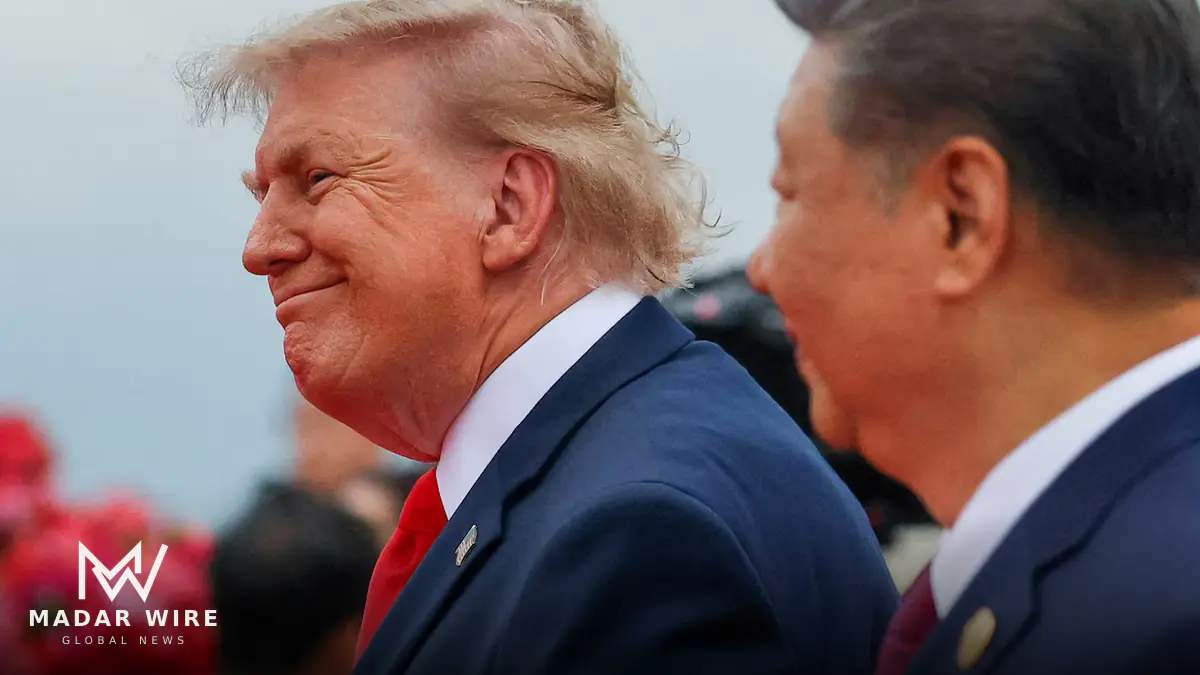
Former U.S. President Donald Trump introduced a new set of tariffs on Thursday, aiming to address what he described as "excess industrial capacity" in several key sectors. The measures target steel, aluminum and a range of manufactured products that, according to Trump, are being produced in surplus and threaten American jobs.
Speaking from a press conference in Washington, Trump emphasized that the tariffs are a defensive tool to protect domestic industry, not a political stunt. "We cannot let foreign producers flood our market and drive down wages," he said, adding that the policy is consistent with his long‑standing trade agenda.
Political Context and Timing
The tariff announcement arrives just weeks after the Republican Party suffered a significant loss in the U.S. midterm elections, relinquishing control of the House of Representatives. Critics have suggested the move could be an attempt to rally the party’s base ahead of the 2028 presidential cycle.
Trump dismissed such speculation, insisting the decision is driven solely by economic considerations. "Midterms have no bearing on what’s best for American workers," he declared, echoing a sentiment he has repeated throughout his post‑presidential career.
Economic Implications
According to Global Markets & Trade, the proposed tariffs could raise import duties by up to 25 % on selected goods, potentially increasing costs for downstream manufacturers and consumers. The report notes that similar measures implemented during Trump’s 2018‑2020 tenure led to mixed outcomes: while some domestic producers reported short‑term gains, broader supply‑chain disruptions and retaliatory actions from trade partners raised concerns.
Analysts warn that the new tariffs may trigger counter‑measures from the European Union, Canada and other allies, potentially sparking a fresh round of trade disputes. However, Trump’s camp argues that the United States is in a stronger negotiating position, citing the current trade surplus in certain sectors.
While the administration has not yet detailed the exact timeline for implementation, officials indicated that the tariffs could take effect within the next 30 days, pending review by the Office of the United States Trade Representative.
Stakeholders across the manufacturing spectrum are watching closely. Labor unions have welcomed the move as a protective measure for jobs, whereas industry groups warn of higher input costs and reduced competitiveness abroad.