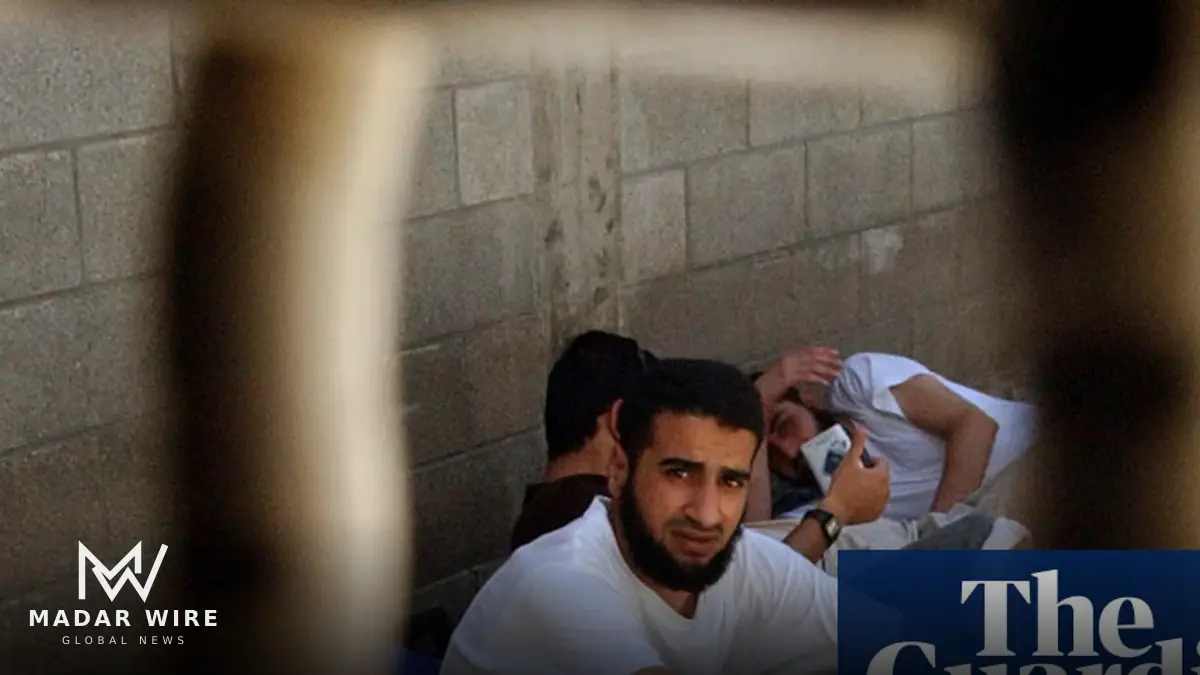
According to a detailed investigation by Guardian International, Israeli authorities have formally sanctioned the use of torture on Palestinian prisoners to secure confessions. The report, based on leaked documents and testimonies, claims the policy is embedded in official guidelines and is applied by security forces in the occupied territories.
The findings describe a systematic approach that includes physical pressure, sleep deprivation and psychological intimidation. Officials allegedly view coerced confessions as a tool to bolster criminal cases against Palestinians, despite clear violations of international humanitarian law.
Legal and Human‑Rights Implications
Human‑rights organisations have condemned the practice as a breach of the United Nations Convention Against Torture, to which Israel is a signatory. Legal experts warn that the sanctioning of torture could expose Israeli officials to investigations by the International Criminal Court.
In response, the Israeli Ministry of Defense has denied the allegations, stating that any interrogation method must comply with “strict legal standards.” However, the Guardian report cites internal memos that contradict public statements, suggesting a gap between policy and practice.
International Reaction and Next Steps
The report has prompted calls for an independent inquiry from the European Union and the United Nations. Several EU member states have urged Israel to suspend the alleged policy pending a thorough investigation.
Meanwhile, Palestinian advocacy groups are preparing legal challenges in Israeli courts, arguing that evidence obtained through torture should be inadmissible. The controversy adds to ongoing tensions over the treatment of detainees in the conflict.
As the story develops, the international community watches closely to see whether Israel will adjust its interrogation protocols or face heightened diplomatic pressure.