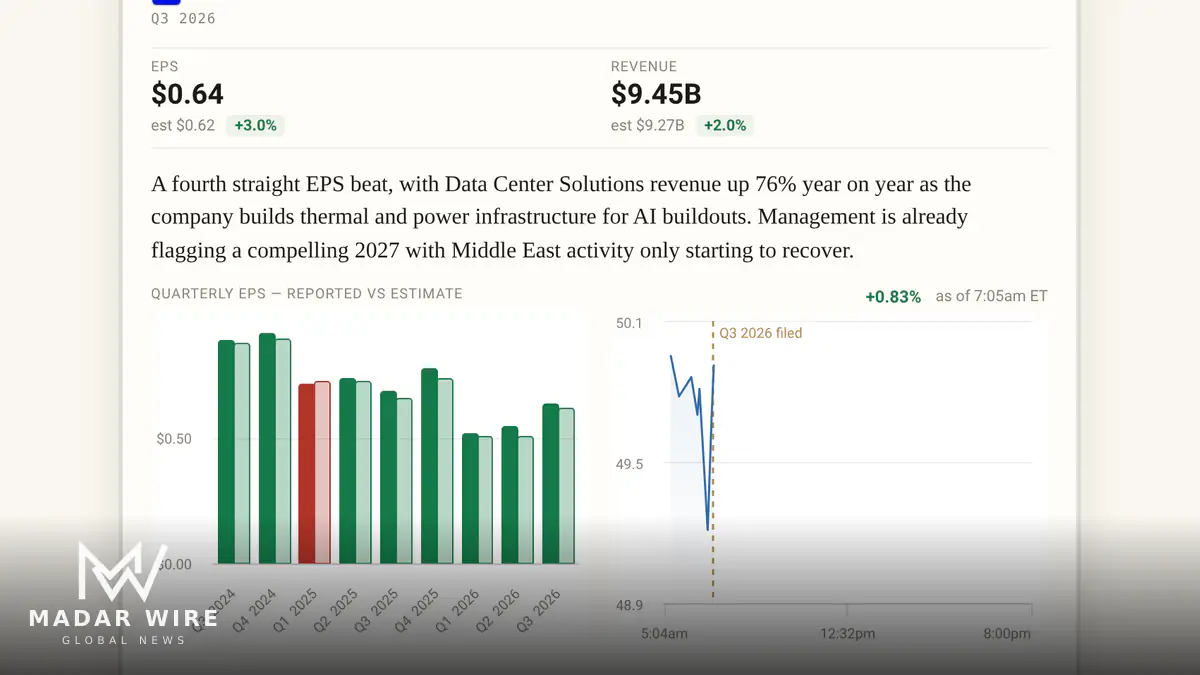
TCM Group delivered a quarterly earnings surprise in Q3 2026, outpacing analyst expectations by 3.2% on stronger-than-anticipated demand in its core enterprise solutions division. However, the company’s leadership tempered the optimism with a sobering outlook, warning that broader economic pressures—including supply chain bottlenecks and moderating corporate capex—could dampen growth in the coming quarters.
Revenue Growth Amid Sector Volatility
The results reflected a rare bright spot in an otherwise sluggish tech landscape. TCM’s adjusted net income rose 8.5% year-over-year, buoyed by increased adoption of its AI-driven workflow automation tools among mid-market clients. Yet the company’s guidance for Q4 2026 remained unchanged, signaling that while execution has improved, underlying market conditions remain fragile.
Investors took note of the divergence between the earnings beat and the cautious tone. Shares of TCM, which had been trading near 52-week lows ahead of the report, closed 1.8% lower on the session, a reflection of the market’s skepticism toward sustained recovery narratives in 2027.
Leadership’s Mixed Signals and Strategic Focus
During the earnings call, CEO Mark Reynolds attributed the revenue uptick to ‘disciplined cost management’ and ‘selective expansion into high-margin verticals.’ The company also highlighted a 12% increase in contract renewals for its cloud-native infrastructure platform, a segment now accounting for 38% of total revenue. However, Reynolds emphasized that ‘geopolitical tensions and fluctuating currency valuations’ could introduce volatility in the near term.
Analysts at Goldman Sachs noted in a post-earnings note that TCM’s performance underscores the ‘two-speed recovery’ in enterprise tech, where niche players with sticky SaaS models outperform broader software giants. Yet they cautioned that without a clearer macroeconomic turn, even strong quarterly results may fail to translate into sustained upward momentum.
TCM’s next earnings report is scheduled for February 2027, a critical inflection point as the company prepares to roll out its next-gen AI integration suite in Q1. The market will be watching whether the current momentum can withstand the broader tech sector’s cautious reset.