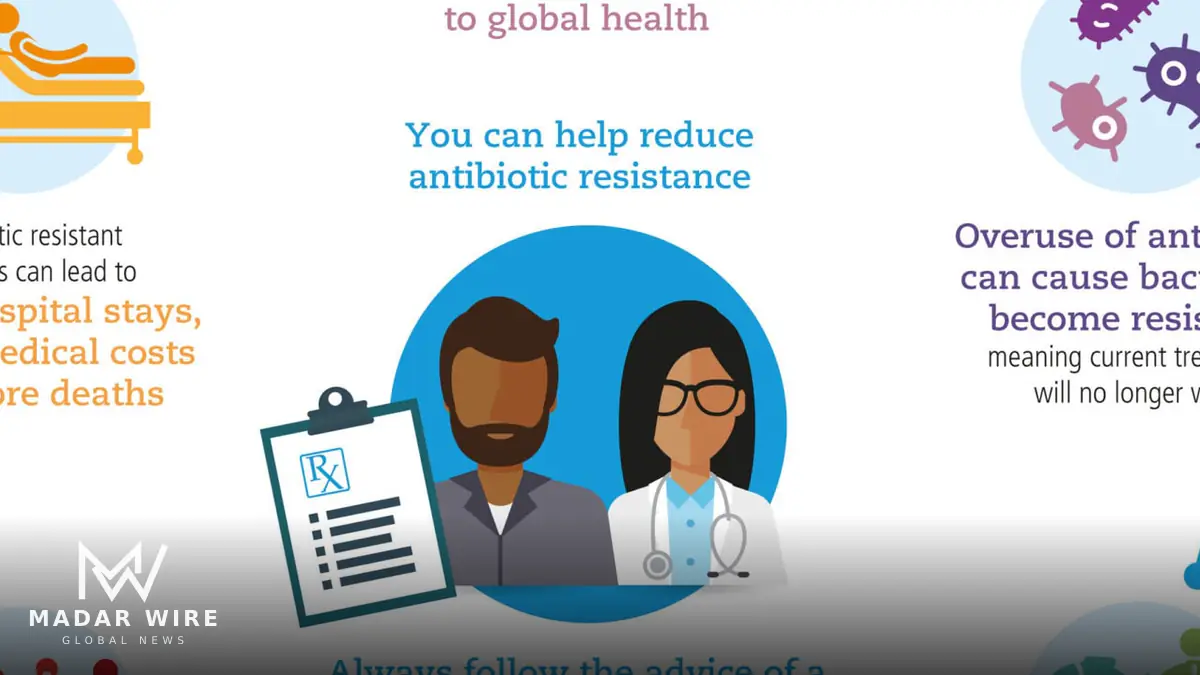
Antibiotic resistance continues to pose a significant threat to global public health, challenging the foundations of modern medicine. According to reporting from DW International, the persistence of drug-resistant bacteria is not merely a biological inevitability but a consequence of complex systemic failures in how these life-saving drugs are utilized and regulated.
The Drivers of Bacterial Evolution
The primary engine behind the rise of superbugs is the widespread, often unnecessary, use of antibiotics. DW International highlights that when antibiotics are prescribed for viral infections or used indiscriminately in industrial livestock production, they create a selective pressure that favors the survival of resistant strains. This evolutionary process allows bacteria to adapt rapidly, rendering standard treatments ineffective against common infections.
Furthermore, the environmental impact of pharmaceutical runoff contributes to the problem. In many regions, untreated waste from hospitals and manufacturing facilities introduces active antibiotic compounds into water systems. This constant exposure allows environmental bacteria to develop resistance mechanisms, which can subsequently be transferred to human pathogens through horizontal gene transfer.
A Stalled Pipeline for Innovation
Beyond the issue of overuse, the pharmaceutical industry faces a critical innovation gap. Developing new antibiotics is a costly and time-consuming endeavor that often yields lower financial returns compared to drugs for chronic conditions. As noted by DW International, the lack of economic incentives has led many major pharmaceutical companies to abandon antibiotic research, leaving a void that is not being filled by public sector investment alone.
Addressing this crisis requires a multi-faceted approach that extends beyond the laboratory. Public health experts advocate for stricter stewardship programs to govern antibiotic prescriptions, alongside global initiatives to improve sanitation and hygiene. Without a concerted effort to preserve the efficacy of existing drugs while incentivizing the discovery of new ones, the medical community risks entering a post-antibiotic era where routine surgeries and minor infections could once again become life-threatening.