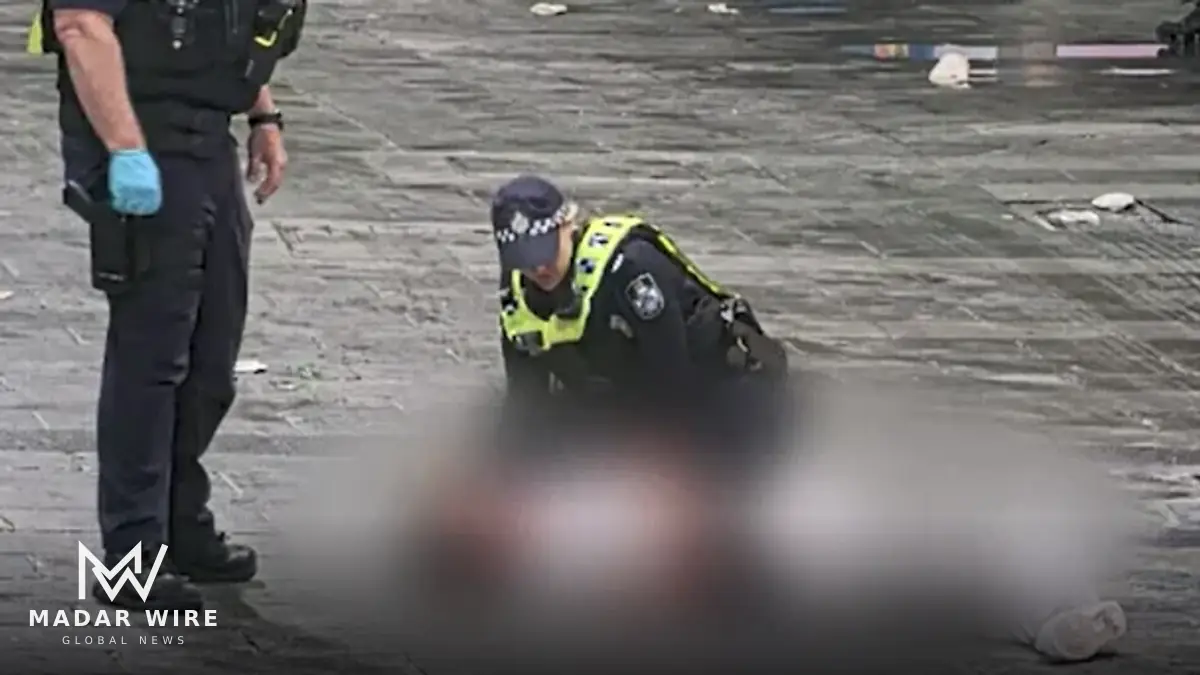
The uncle of a young boy who was the victim of a violent assault has issued a direct challenge to the New South Wales government, demanding that the 'adult crime, adult time' laws be strengthened to better protect children.
In a statement reported by the Sydney Morning Herald, the uncle expressed deep frustration with the current legal framework, arguing that the existing penalties do not reflect the severity of the harm inflicted on his family.
“If the premier thinks those [adult crime, adult time] laws are strong enough, I want him to come look this boy’s family in the eye and explain,” he said, highlighting the emotional toll of the incident on the victim's relatives.
Call for Legislative Review
The 'adult crime, adult time' policy, which allows for harsher sentencing of young offenders who commit serious crimes, has been a subject of ongoing political debate in Australia. Critics, including this family, argue that the current implementation is too lenient and fails to deter violent behavior among juveniles.
The uncle’s comments underscore the growing pressure on state governments to revisit sentencing guidelines. He emphasized that the family is seeking not just justice for the specific incident, but systemic change to prevent similar tragedies in the future.
According to the Sydney Morning Herald, the family has been vocal about their dissatisfaction with the legal process, feeling that the current laws do not adequately account for the long-term impact of such violence on victims and their communities.
Political and Community Response
The incident has drawn attention to the broader issue of youth crime and public safety in New South Wales. While the government maintains that the current laws are balanced and effective, advocates for tougher sentencing point to cases like this one as evidence that reform is necessary.
The uncle’s direct appeal to the Premier has put the issue back in the public spotlight, forcing a conversation about the effectiveness of current juvenile justice policies. As the debate continues, the family remains focused on securing a fair outcome for the boy and ensuring that the legal system provides the protection they believe is owed to all citizens.
For now, the family’s plea serves as a stark reminder of the human cost of violent crime and the urgent need for a legal framework that can adequately address the complexities of modern youth offending.