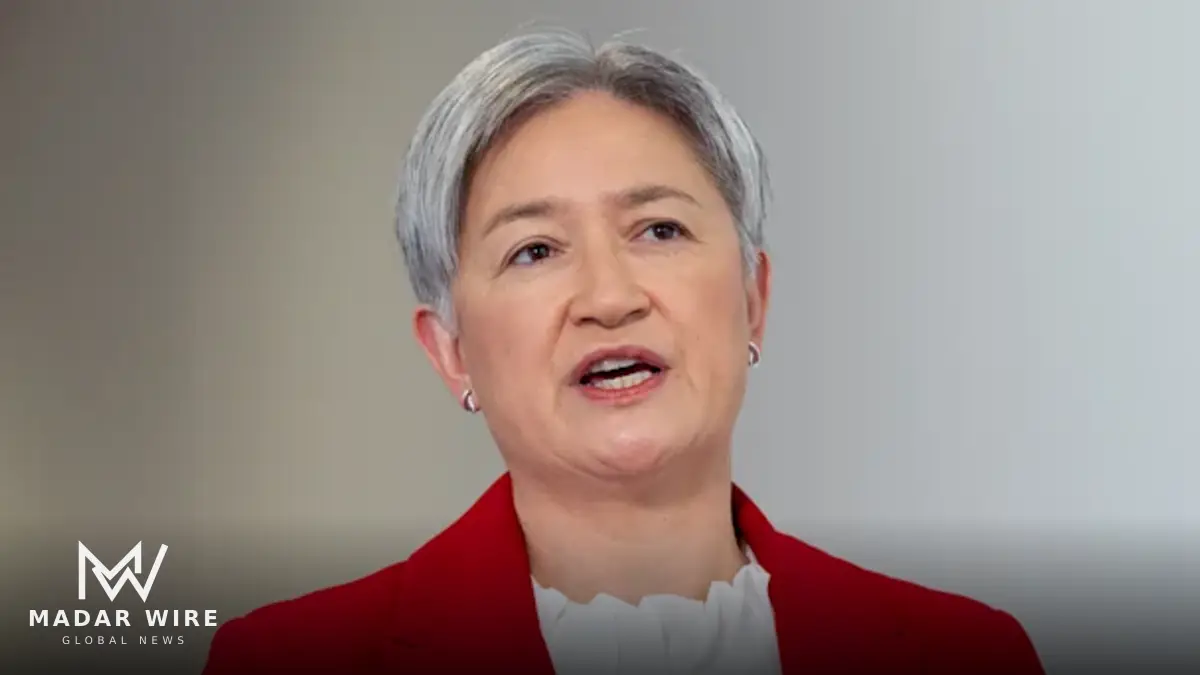
Foreign Minister Penny Wong has conceded her department must improve its handling of sanctions enforcement after an independent audit revealed widespread administrative shortcomings. Speaking to the media, Senator Wong acknowledged that the Department of Foreign Affairs and Trade (DFAT) needs to lift its game to ensure compliance mechanisms operate effectively across the board.
According to the Sydney Morning Herald - Politics, the federal opposition has seized on the findings to call for a sweeping structural overhaul. The damning audit uncovered that the government's dedicated sanctions office frequently relied on warning letters that lacked legal teeth and were rarely followed up by compliance officers.
Audit Exposes Enforcement Gaps
The review detailed significant vulnerabilities in how Australia monitors and penalises breaches of international restrictions. Investigators found that existing oversight processes lacked the operational rigour required to deter serious violations, prompting renewed scrutiny of departmental resources and enforcement strategies.
Critics argue that the heavy reliance on informal warnings undermines Australia's broader foreign policy objectives and international commitments. DFAT officials faced direct questioning over the internal mechanics of the sanctions regime during recent parliamentary committee hearings.
Opposition Demands Overhaul
In response to the audit findings, opposition spokespeople urged the federal government to implement immediate structural reforms. They argue that Australia's penalty framework must be modernized to deal with complex global security challenges and prevent evasion.
Senator Wong defended departmental staff while accepting the core findings of the report, confirming that steps are underway to address the identified vulnerabilities. Further updates on compliance measures and administrative upgrades are expected as DFAT works to strengthen its regulatory oversight.