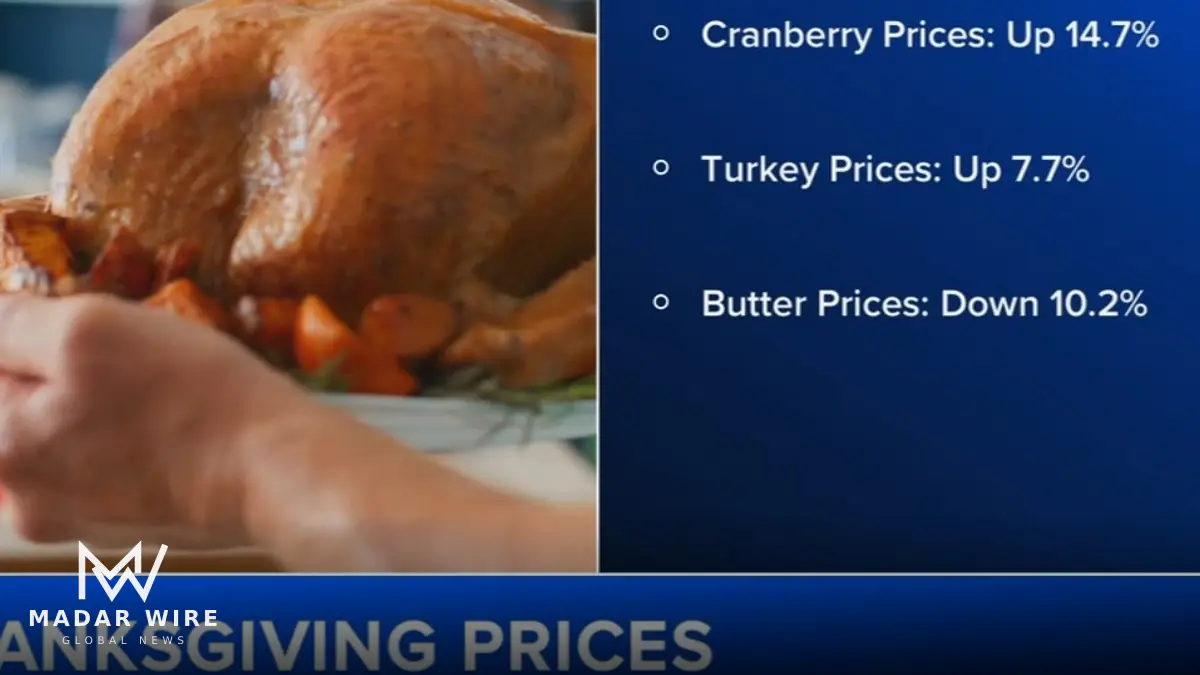
Thanksgiving dinner, a staple of American tradition, is facing a complex economic landscape this year. While grocery costs have trended upward across the broader economy, food-price analysts report that it remains unclear whether the total cost of a traditional holiday meal will increase compared to last year, according to NPR US News.
The uncertainty stems from fluctuating commodity prices and varying regional supply chain pressures. While some staples have seen price stabilization, others remain susceptible to the broader inflationary trends that have defined the grocery sector throughout the fiscal year.
Shifting Consumer Behaviors
The economic pressure is leading to visible changes in how Americans approach the upcoming holiday. NPR US News reports that a growing number of households are reconsidering their hosting duties. Some families are opting to cancel traditional large-scale gatherings, while others are choosing to host fewer guests to manage their budgets effectively.
This shift in consumer behavior reflects a broader trend of cautious spending. As households weigh the costs of hosting against their personal financial constraints, the traditional Thanksgiving model is undergoing a period of adjustment. Retailers are watching these trends closely, as the holiday season remains a critical indicator of consumer sentiment.
Market Volatility and Future Outlook
Economists suggest that the final price tag for a Thanksgiving dinner will depend heavily on the specific items included in the menu. While turkey prices have shown signs of leveling off in some markets, the cost of side dishes and specialty ingredients continues to fluctuate.
For many Americans, the decision to host is no longer just about tradition but about navigating the current fiscal reality. As the holiday approaches, market analysts advise consumers to monitor local grocery circulars and remain flexible with their menu planning to mitigate potential price spikes.