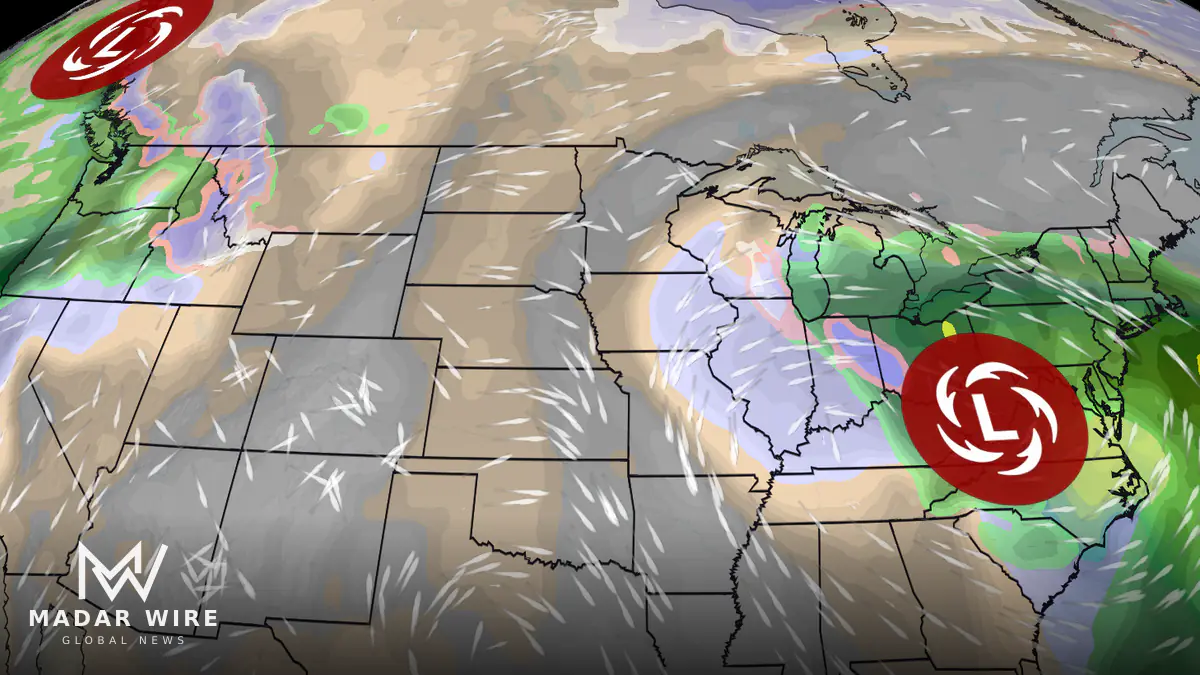
Rough weather is expected to sweep across the United States this week, with a developing nor'easter on the East Coast and a low‑pressure system on the West Coast threatening to disrupt Thanksgiving travel. The National Weather Service and airline operators have warned of possible flight cancellations, delayed departures and hazardous road conditions, according to US Top News - Google.
Forecasters project heavy rain, strong winds and coastal flooding from Maine to North Carolina, while the Pacific system could bring record‑high tides and gusts of up to 60 mph along California’s shoreline. Both storms are slated to intensify over the next 48 hours, coinciding with the busiest travel days of the year.
Airlines such as Delta, United and American have already placed weather‑related holds on hundreds of flights departing from major hubs in New York, Boston, San Francisco and Los Angeles. Passengers booked for travel between November 22 and 25 may see their itineraries altered, and the airlines advise checking status frequently and signing up for alerts.
State transportation departments are also preparing for the impact. The New York State Department of Transportation has issued a travel advisory for the I‑95 corridor, urging drivers to allow extra time and avoid non‑essential trips. In California, the Department of Transportation has warned of potential road closures on Highway 1 and other coastal routes due to flooding and landslides.
East Coast storm outlook
The nor'easter, expected to make landfall early Thursday, could bring up to 2 feet of snow in the interior Northeast and a mix of rain and sleet along the Atlantic seaboard. Boston Logan International Airport is projected to experience up to 30 percent flight cancellations, while Washington Dulles may see similar disruptions. Officials in New York City have activated emergency response teams to clear streets and assist stranded commuters.
West Coast impacts
On the West Coast, a deep low‑pressure system is driving a surge of ocean water toward the California shoreline, creating what meteorologists call "king tides" that could set new records in San Francisco Bay. The surge, combined with strong onshore winds, raises the risk of coastal flooding in low‑lying neighborhoods and may force the closure of several ferry routes. The Federal Aviation Administration has placed a weather advisory on San Francisco International Airport, and airlines are monitoring the situation closely.
Travel experts recommend that Thanksgiving travelers keep flexible plans, monitor weather updates from the National Weather Service, and consider alternative routes or modes of transportation where possible. The dual‑coast threat underscores the importance of early preparation as the nation heads into its most travel‑intensive holiday weekend.