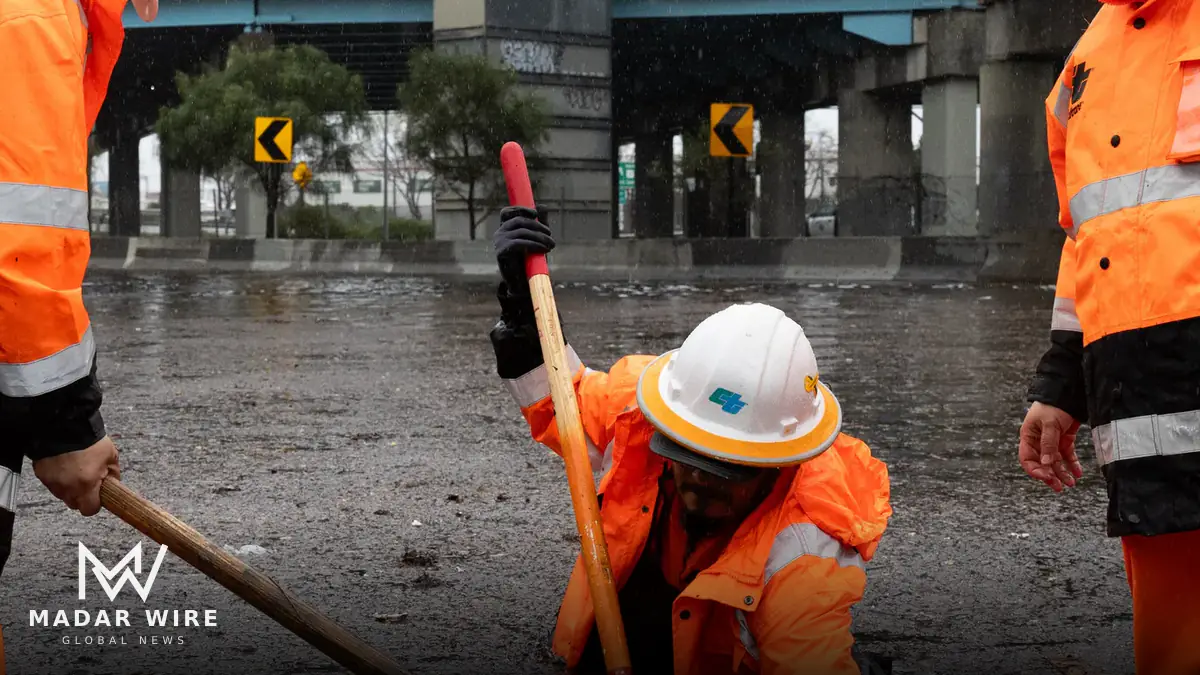
San Francisco, long considered the epicenter of global technological innovation, is struggling to manage a fundamental urban challenge: keeping wastewater off its streets. A recent deluge of rain overwhelmed the city’s sewer system, forcing raw sewage into public thoroughfares and raising alarms about the resilience of local infrastructure.
According to reports from NYT - US News, the flooding is not an isolated incident but a recurring failure of a system pushed to its capacity. As heavy storms continue to batter Northern California, the city’s aging pipes and drainage networks are proving increasingly unable to handle the volume of water, leading to hazardous conditions for residents and commuters alike.
Infrastructure Under Pressure
The city's combined sewer system, which carries both stormwater and wastewater to treatment plants, is particularly vulnerable during extreme weather events. When rainfall exceeds the system's design capacity, the excess flow—often mixed with untreated sewage—is discharged into the streets or the bay to prevent backups into private homes and businesses.
Engineers and urban planners have long warned that the current system requires significant investment to meet the demands of a changing climate. While San Francisco has initiated various upgrade projects, the pace of modernization has struggled to keep up with the intensity of recent atmospheric rivers.
El Niño Exacerbates Risks
Meteorologists are pointing to a robust El Niño year as a primary driver for the increased frequency of these flooding events. The phenomenon typically brings wetter, more volatile weather to the West Coast, placing sustained pressure on municipal systems that were built decades ago.
City officials are now facing mounting pressure to accelerate long-term infrastructure overhauls. For a city that prides itself on building the future, the sight of sewage on the streets serves as a stark reminder of the persistent challenges posed by aging urban foundations in the face of environmental volatility.