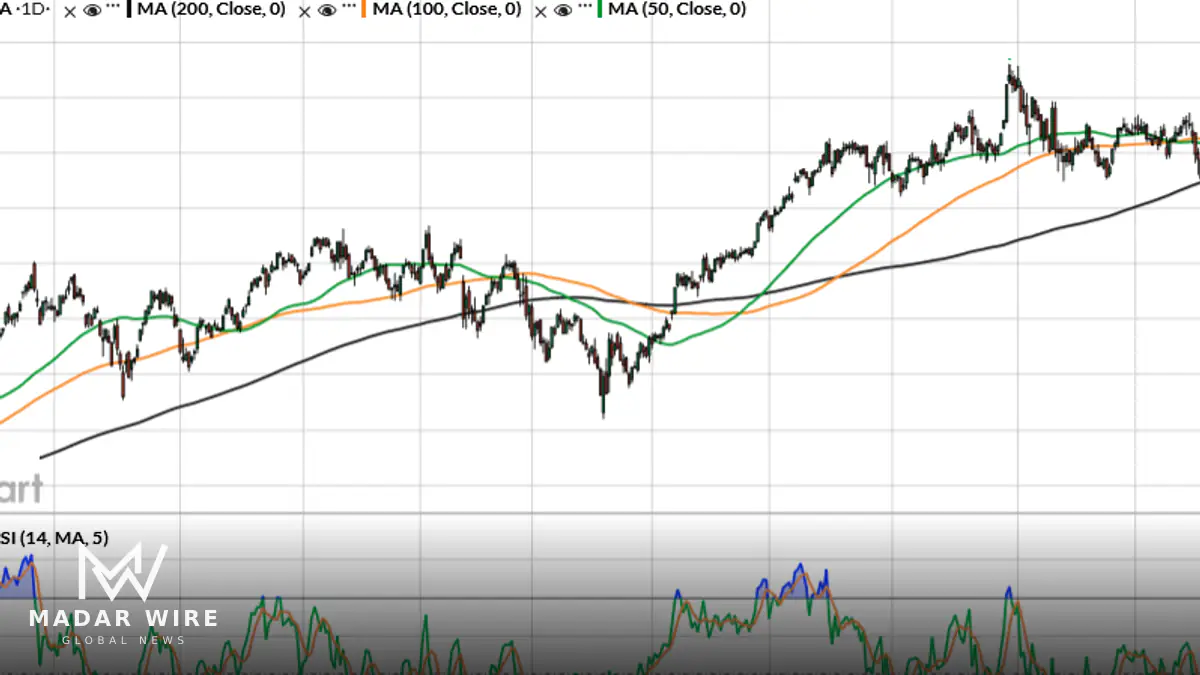
Donald Trump’s investment portfolios have repeatedly traded Nvidia (NVDA) shares this year, according to a review of the U.S. president’s financial disclosures published by BBC News – Business. The data reveals 44 transactions in the semiconductor giant’s stock—an unusually high volume for a single holding—amid Nvidia’s record-breaking market run.
The disclosures, filed under federal law, underscore a pattern of frequent trading in high-growth tech stocks, including Tesla (TSLA) and Meta (META). While not illegal, the activity has reignited debates over potential conflicts of interest for a president whose policies directly impact industries like AI, cloud computing, and semiconductor manufacturing—Nvidia’s core markets.
Nvidia’s Record Run Fuels Scrutiny
Nvidia’s stock has surged over 150% in 2024, driven by AI demand and earnings beats that outpaced Wall Street expectations. The company’s dominance in AI chips—critical for everything from generative AI models to data centers—has made its stock a bellwether for tech investors. Trump’s portfolio’s heavy exposure to Nvidia, combined with his administration’s mixed stance on tech regulation, raises eyebrows about whether his trading aligns with public policy.
The disclosures do not specify whether the trades were executed by Trump personally or through intermediaries, a distinction that could influence perceptions of insider influence. The White House has not commented on the data, though past disclosures have faced criticism for underreporting assets or omitting key details.
Broader Tech Exposure in Disclosures
Beyond Nvidia, Trump’s filings show continued engagement with other tech giants. Tesla, under Elon Musk’s leadership, and Meta—both volatile but high-profile holdings—also appear in the records. The pattern suggests a strategy favoring growth stocks with outsized market movements, though the lack of granularity in disclosures limits transparency.
Analysts note that while trading in publicly listed stocks is legal, the timing of such moves—particularly in sectors directly influenced by government policy—can create perceptions of impropriety. The SEC has historically scrutinized executive trading around policy announcements, though enforcement remains rare for political figures.
The latest disclosures arrive as Congress and advocacy groups push for stricter financial transparency from public officials. A 2023 bipartisan bill aimed at closing loopholes in presidential financial reporting remains stalled, leaving gaps in oversight.