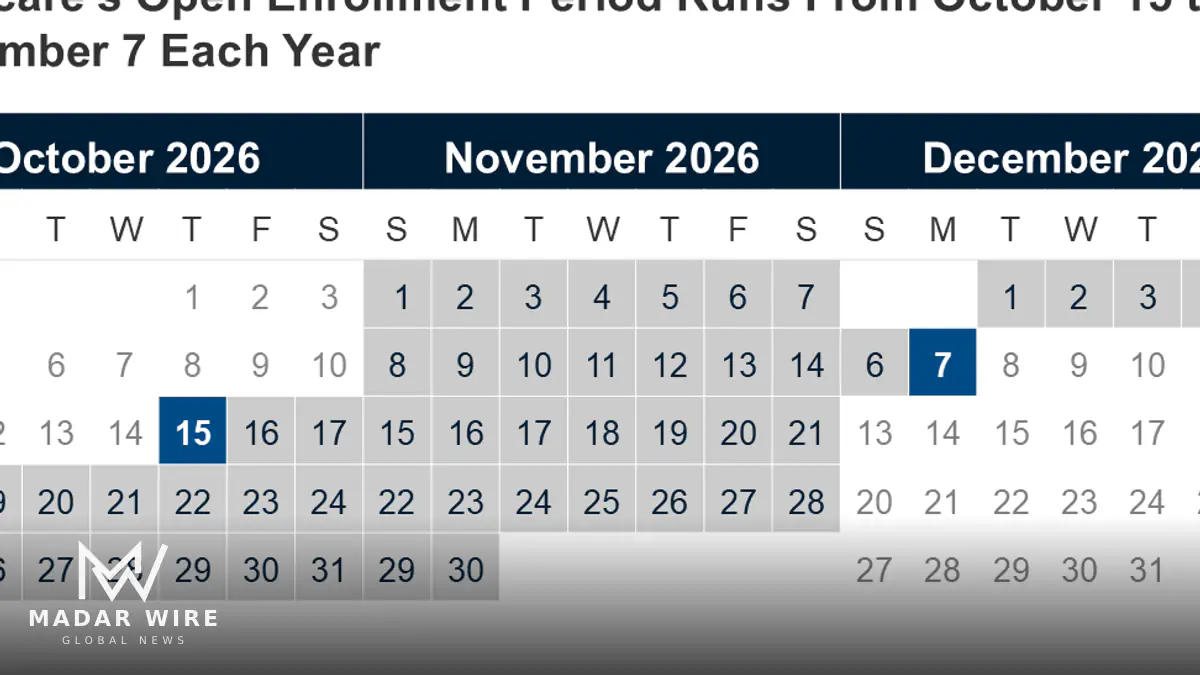
Medicare’s annual open enrollment period ends on Dec. 7, giving seniors a narrow window to reassess their health coverage. According to NPR US News, the deadline applies to both Medicare Advantage (Part C) and prescription‑drug (Part D) plans, and missing it can lock beneficiaries into higher costs or reduced benefits for the next year.
Enrollment season often passes with little fanfare, but this year’s changes are more pronounced. Many Medicare Advantage contracts are being renegotiated, leading to shifts in premiums, out‑of‑pocket limits and provider networks. At the same time, several Part D formularies are adding new drugs while dropping others, which could affect coverage for chronic conditions.
Plan Changes to Watch
Medicare Advantage plans are seeing premium adjustments ranging from modest increases to new zero‑premium options that trade higher copays for lower monthly costs. Network alterations are also common; some plans are adding hospitals and specialists, while others are exiting certain regions, potentially forcing enrollees to switch doctors.
Prescription‑drug plans are updating their tier structures. New high‑cost specialty medications are entering the formulary, often at a higher share of the beneficiary’s cost. Conversely, some older, lower‑cost drugs are being moved to higher tiers or removed entirely, prompting seniors to verify that their essential medicines remain covered.
Avoid Common Pitfalls
One frequent mistake is assuming the current plan will automatically renew. While many plans do, any change in premiums, coverage rules or network status requires an active election. Failing to confirm the renewal can result in loss of coverage or unexpected out‑of‑pocket expenses.
Another trap is overlooking the “donut hole” in Part D coverage. Adjustments to the coverage gap threshold can alter how much beneficiaries pay for brand‑name drugs after reaching the initial limit. Reviewing the projected spend for the upcoming year helps avoid surprise bills.
Finally, seniors should be wary of enrollment scams that promise “guaranteed” lower rates. The federal Medicare website (Medicare.gov) and official state health‑insurance exchanges remain the only reliable sources for plan comparisons and enrollment.
With the Dec. 7 deadline looming, experts advise beneficiaries to compare at least three plans, check provider networks, and confirm drug coverage before making a decision. Missing the window forces a wait until the next enrollment period, typically a year away.