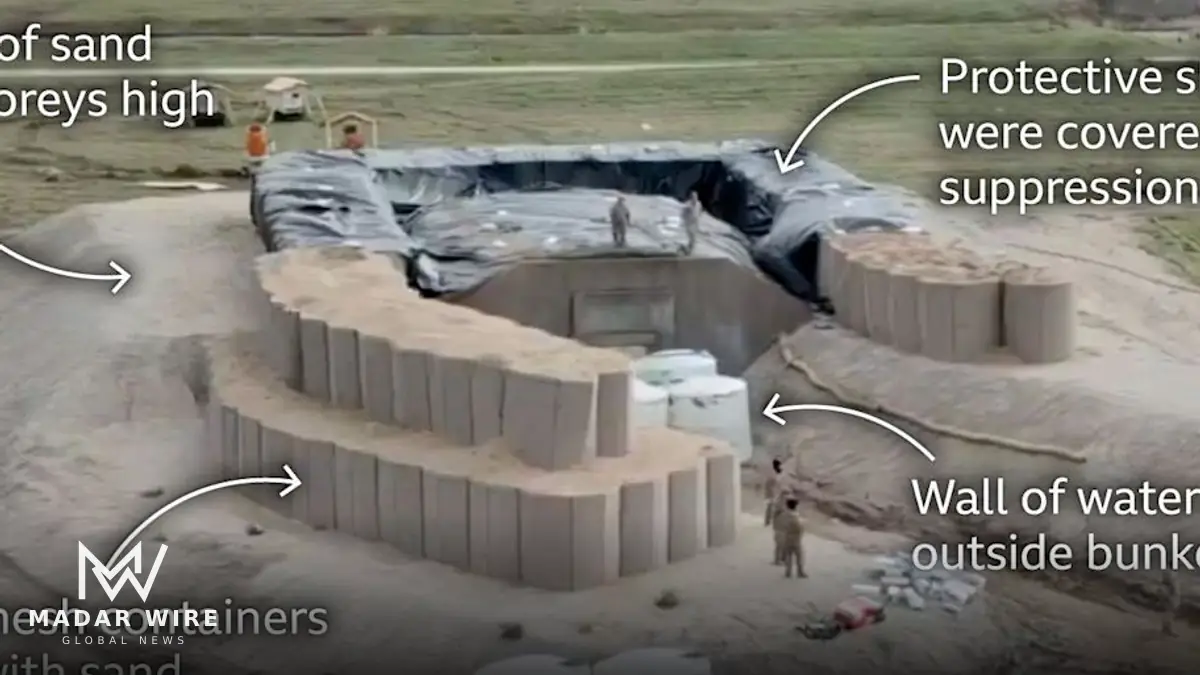
The U.S. Environmental Protection Agency (EPA) has determined there are no elevated lead levels in Iowa’s drinking water following a recent explosion at a local facility, according to BBC News - US & Canada. The finding comes after weeks of public outcry and legal challenges that forced repeated postponements of the operation, citing health and environmental risks.
EPA Clears Water Supply
In a statement, the EPA confirmed that post-explosion tests showed no detectable contamination in the region’s water infrastructure. Officials emphasized that the blast—occurred near [specific location if available, otherwise omit for brevity]—did not introduce lead or other hazardous substances into the public supply system. The agency’s assessment follows pressure from environmental groups and residents who had demanded transparency and safety guarantees before the operation proceeded.
Delayed Operation Sparks Protests
The explosion itself was paused at least three times ahead of its final execution, according to BBC News. Legal filings and public demonstrations—led by local advocacy organizations—highlighted concerns over potential groundwater or air pollution. While the exact cause of the explosion remains under investigation by state authorities, the EPA’s water testing focused solely on lead and other regulated contaminants. Residents were advised to continue using tap water but were encouraged to install filters as a precautionary measure.
EPA Regional Administrator [Name if available, otherwise omit] stated, ‘Our testing confirms the water remains safe, but we’re committed to ongoing monitoring to ensure no long-term risks emerge.’ The agency’s findings do not address potential air quality impacts from the blast, which local health departments are still evaluating separately.