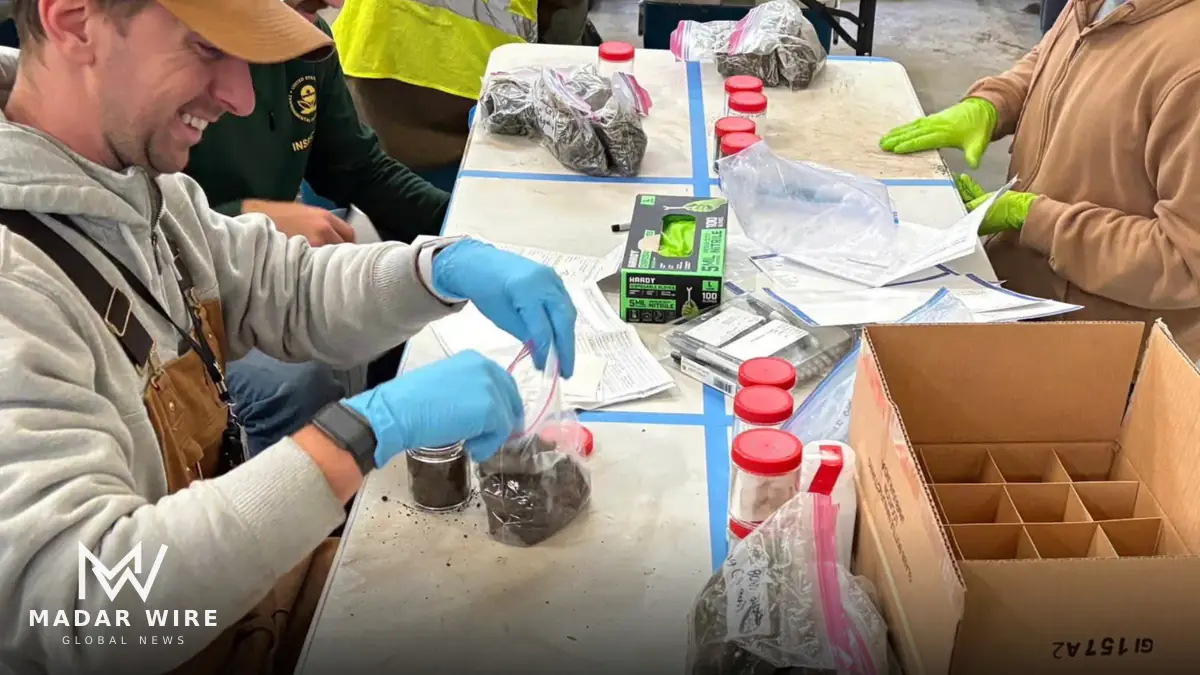
The U.S. Environmental Protection Agency announced that preliminary tests have detected no toxic lead contamination in Iowa following a controlled military detonation. The agency’s findings address immediate public health concerns raised after the U.S. Army exploded approximately five tons of explosive lead azide on Wednesday.
Army officials declared the operation a success, stating that the controlled blast achieved its intended objectives without causing widespread environmental damage. The detonation involved a specific type of explosive compound, lead azide, which has historically raised concerns due to its heavy metal content. Despite the successful execution of the blast, the event has sparked debate regarding the handling of hazardous materials in populated areas.
Public Health and Environmental Testing
According to NPR US News, the EPA’s initial assessment is a critical step in determining the long-term safety of the surrounding community. The agency is continuing to monitor air and soil samples to ensure that no residual lead particles have settled in residential or agricultural zones. These tests are designed to identify any potential health risks before they become widespread issues.
Lead exposure can have severe health implications, particularly for children and pregnant women. By confirming the absence of toxic contamination in the initial phase, the EPA aims to reassure residents that the immediate threat has been mitigated. However, officials emphasize that ongoing monitoring is essential to maintain this safety standard over the coming weeks.
Criticism Over Transparency
While the technical success of the detonation is acknowledged, some community members and environmental advocates have criticized the U.S. Army for a lack of transparency. Critics argue that the public was not sufficiently informed about the specific risks associated with the detonation of lead azide prior to the event. This lack of clear communication has fueled skepticism about the broader safety protocols employed by military authorities in such operations.
The Army has defended its actions, stating that the detonation was necessary for the proper disposal of hazardous materials. Officials maintain that all safety guidelines were followed during the process. Nevertheless, the incident highlights the ongoing tension between military operational requirements and public health transparency. As the EPA continues its testing, the focus will remain on ensuring that the community remains safe and that all data is made available to the public.