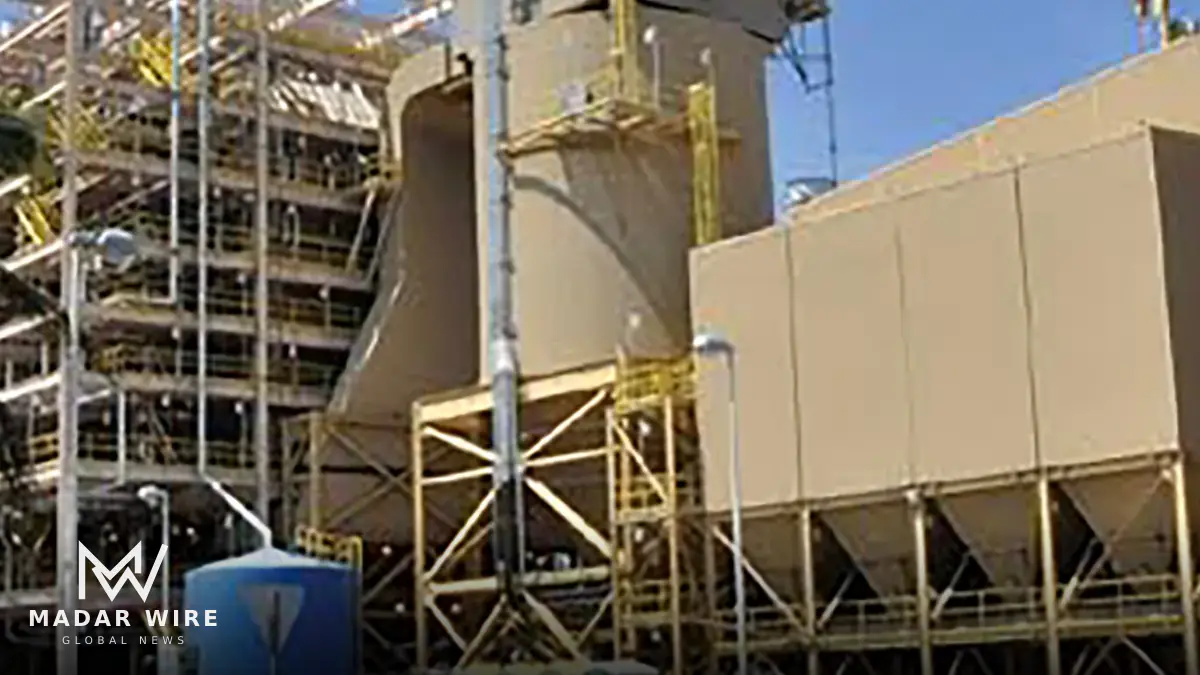
Hawaii state officials are intensifying pressure on the operator of a power plant near Honolulu following a fuel leak that has drawn widespread condemnation from local leadership. According to reporting by NYT - US News, the incident has prompted a swift legislative and executive response aimed at tightening environmental safety protocols across the island.
Governor Josh Green recently signed an executive order that mandates the immediate reporting of any oil or fuel spills at industrial facilities. This directive is designed to eliminate delays in communication, ensuring that state agencies can deploy containment resources before environmental damage escalates. The governor’s office emphasized that the safety of Hawaii’s coastal waters and public health remains the primary motivation behind the new requirements.
Tensions Rise Between State and Operators
The relationship between the plant’s management and state officials has become increasingly strained in the wake of the spill. Both Governor Green and the mayor of Honolulu have issued stern public rebukes, questioning the operator's transparency and operational standards. Local leaders argue that the current reporting mechanisms are insufficient to protect the community from the risks associated with aging industrial infrastructure.
The criticism reflects a broader concern regarding the environmental footprint of power generation facilities located near sensitive ecosystems. As the state moves to modernize its energy grid, officials are signaling that they will no longer tolerate lapses in safety or delayed notifications regarding hazardous material releases. The operator has faced mounting scrutiny as state investigators work to determine the exact cause and volume of the leaked fuel.
Stricter Oversight and Future Compliance
The executive order serves as a precursor to potential legislative changes that could impose heavier fines and more rigorous inspections on industrial operators. By formalizing the reporting process, the state intends to hold companies accountable for every stage of their fuel management operations. Environmental advocates have praised the move, noting that rapid response is the only way to mitigate the impact of industrial accidents on Hawaii’s fragile marine environment.
As the investigation continues, the state is expected to review the facility's long-term maintenance records. The administration has made it clear that future operational permits will be contingent upon strict adherence to these new reporting standards. For now, the focus remains on remediation efforts and ensuring that the public is kept fully informed of any ongoing risks posed by the facility.