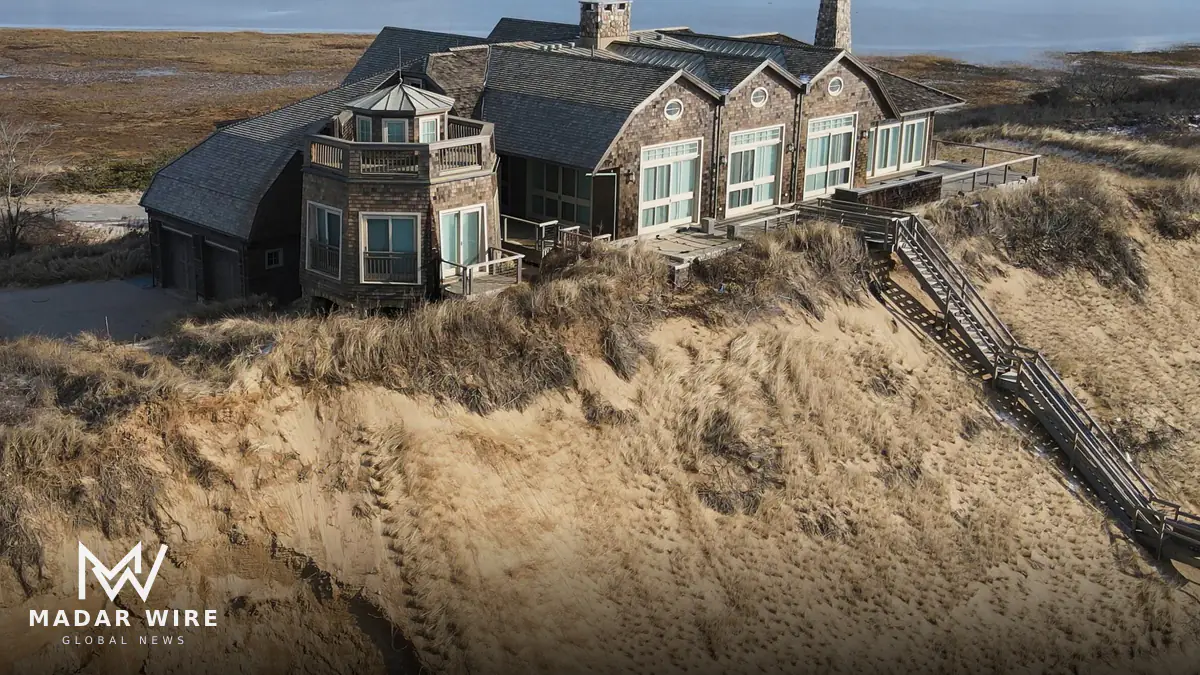
An Indigenous-led nonprofit has purchased a 10‑acre parcel of land on Cape Cod that overlooks the shoreline where the Pilgrims first encountered the Nauset tribe in 1620. The deal, announced on Monday, was highlighted in an NPR US News interview with Paula Peters of the Native Land Conservancy.
The property, located near the town of Eastham, includes dunes, salt marshes and a clear view of the Atlantic Ocean. According to NPR, the acquisition was funded through a combination of private donations and grants aimed at preserving sites of Native American significance.
Historic Context of the Site
The landing at what is now known as Nauset Beach marked the first sustained contact between English settlers and the indigenous peoples of the region. Historians cite the encounter as a turning point that set the stage for both cooperation and conflict in early colonial New England.
Peters told NPR’s Ayesha Rascoe that protecting the land “helps us tell the full story of this place, not just the Pilgrim narrative but the Nauset presence that predates and survives it.” She emphasized that the land will remain open to the public for education and reflection.
Implications for Conservation
The Native Land Conservancy plans to work with local authorities to maintain the ecological integrity of the dunes while installing interpretive signage about the Nauset people. The organization also hopes the purchase will inspire similar efforts to safeguard other culturally important landscapes across the United States.
Experts say the move underscores a growing trend of Indigenous groups taking stewardship of historic sites, a shift that could reshape how American history is presented in museums and textbooks. NPR’s coverage notes that the acquisition represents both a symbolic and practical step toward reconciling past injustices.