The residents of a small Iowa community are demanding answers after a lead azide explosion left them shaken and questioning industrial safety standards.
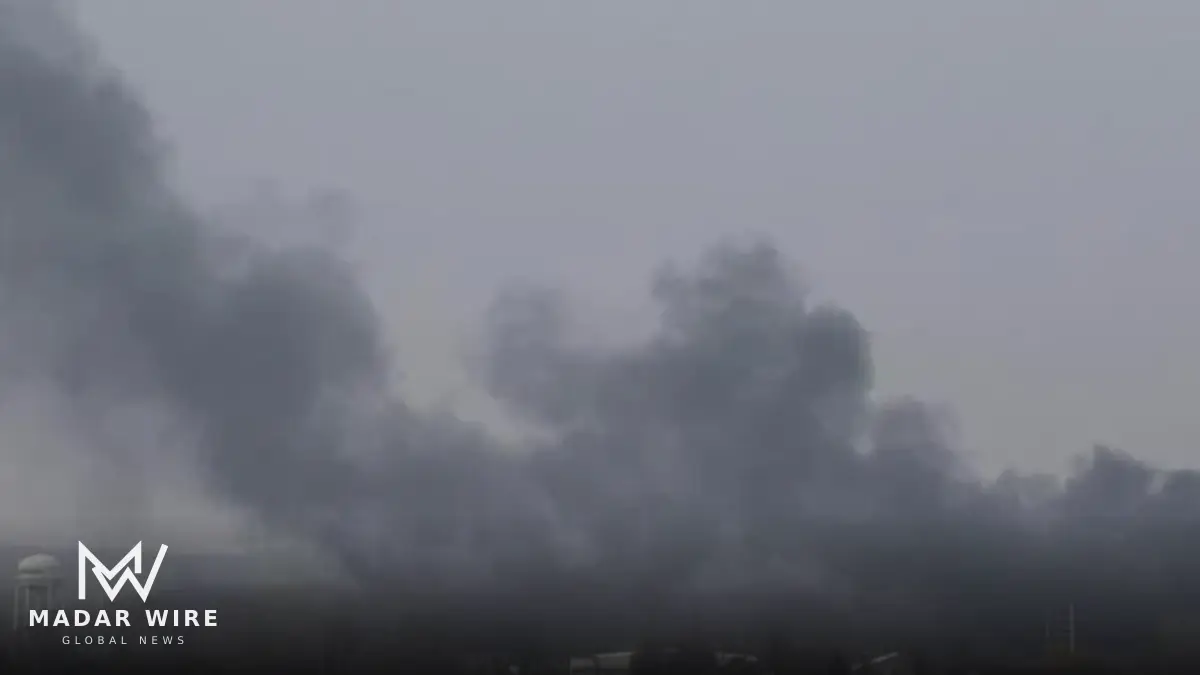
Eyewitnesses described a loud blast and thick smoke rising from a facility near Iowa City on Tuesday, prompting an immediate investigation by local authorities. According to Reuters UK, officials have confirmed the explosion involved lead azide—a highly sensitive compound used in some industrial and military applications.
Community in Distress
Neighbours reported hearing the explosion from miles away, with some describing it as a deep, resonant boom followed by a visible plume of grey smoke. While no injuries have been confirmed, the incident has sparked widespread anxiety. “We didn’t know what was happening,” said a local resident, Mark Thompson, who lives less than a mile from the site. “The whole neighbourhood was on edge—we just want to know what happened and if there’s a risk to our health.”
Lead azide is known for its extreme sensitivity to shock and heat, making it a hazardous material even in controlled environments. The Iowa Department of Natural Resources has dispatched teams to assess potential contamination and determine the cause of the blast.
Official Response and Ongoing Tests
State officials, citing Reuters UK, have emphasised that preliminary findings suggest no immediate environmental threats, but comprehensive testing is underway. Governor Kim Reynolds addressed the community in a statement, reassuring residents that “all necessary precautions are being taken to ensure public safety.” However, scepticism remains, particularly among those living near industrial zones.
Local activists have called for greater transparency, urging officials to release details on the facility’s safety protocols and the storage conditions of lead azide. “This isn’t the first time we’ve had concerns about unregulated chemicals in our area,” said Linda Carter, a long-time resident and environmental advocate. “We need to know if this was an accident or if there were failures in oversight.”
The investigation is ongoing, with federal agencies, including the Environmental Protection Agency (EPA), expected to play a role in the assessment.