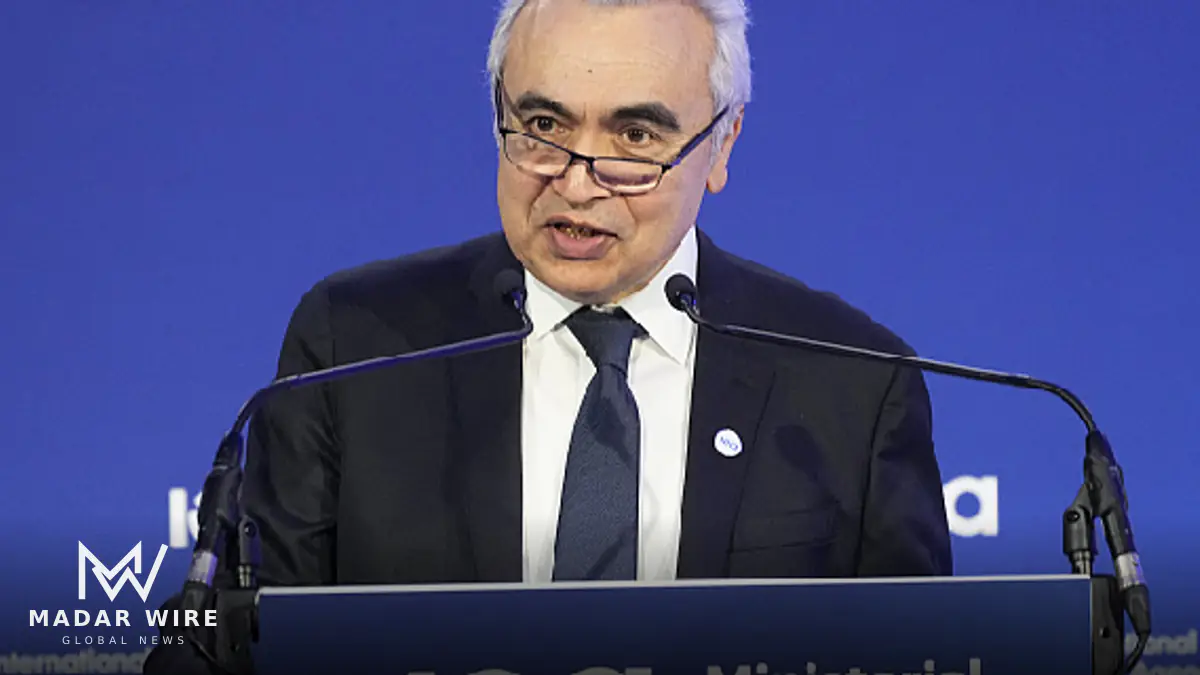
The International Energy Agency (IEA) has issued a stark warning that a severe winter across Europe could push energy prices to new highs, further straining economies already grappling with inflationary pressures. Dr Fatih Birol, the agency's executive director, emphasized the fragility of current supply chains and the persistent risks facing the continent's energy security.
Pre-war conditions no longer viable
Speaking on the evolving landscape of global energy markets, Dr Birol asserted that it is "impossible" to imagine the energy system returning to how it was before the war in Ukraine. According to reports from BBC News - Business, this assessment reflects a fundamental shift in how nations approach energy procurement, storage, and diversification. The agency's analysis suggests that geopolitical tensions and supply disruptions have permanently altered the baseline for energy costs and reliability.
The warning comes as European nations prepare for the upcoming heating season, with concerns mounting over gas storage levels and potential supply bottlenecks. A colder-than-average winter would likely accelerate demand for natural gas and electricity, potentially outpacing available supply and triggering price spikes. Market analysts have noted that such volatility could have ripple effects on industrial production and household budgets across the region.
Structural shifts in energy policy
The IEA's stance underscores the need for accelerated investment in renewable energy sources and grid infrastructure to mitigate future shocks. Dr Birol's comments align with broader calls from European policymakers to reduce dependence on volatile fossil fuel imports. The agency continues to monitor global oil and gas flows closely, advising governments to maintain strategic reserves and coordinate on emergency response measures.
While some market participants argue that prices may stabilize in the medium term, the IEA remains cautious, citing the unpredictability of geopolitical developments. The organization's latest outlook highlights the importance of flexibility in energy systems, urging a balanced approach that combines short-term security measures with long-term decarbonization goals. This strategic pivot is expected to influence investment decisions and regulatory frameworks in the coming months.