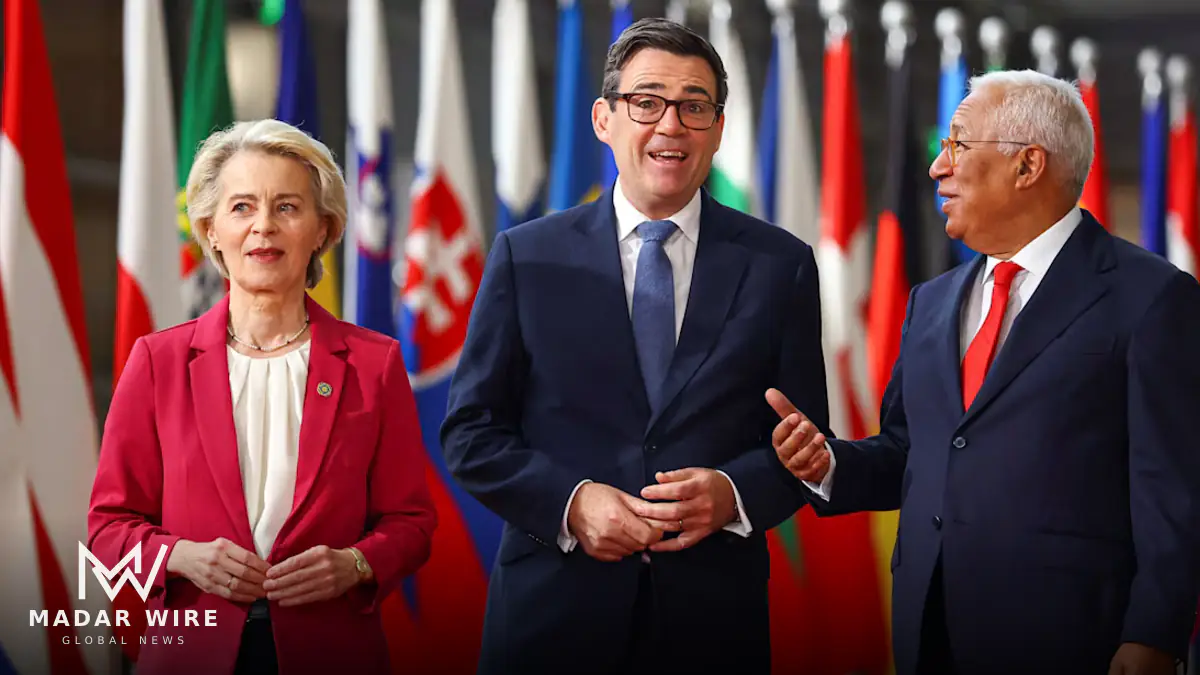
Keir Starmer faces a fresh challenge from within his own party as tensions mount over the direction of Britain’s post-Brexit trade strategy. The dispute centres on comments made by Andy Burnham, the former deputy leader, regarding the potential benefits of closer economic ties with the European Union. According to analysis from BBC News - UK Politics, these remarks have reignited a long-simmering debate that threatens to distract from the government’s core legislative priorities.
Internal Friction Over Trade Policy
The Prime Minister has consistently maintained that the UK’s focus must remain on securing new trade deals with non-EU partners while respecting the existing framework established after the 2016 referendum. However, critics within the Labour Party argue that this approach ignores the economic realities of shared supply chains with Europe. Chris Mason, writing for BBC News - UK Politics, notes that Burnham’s intervention represents a significant departure from the party’s official line. This divergence risks exposing a fault line between the party’s leadership and its more left-leaning backbenchers who view the EU as a natural economic partner.
Starmer’s team is reportedly working to contain the narrative, emphasising that the government’s strategy is designed to protect jobs and lower costs for consumers. They argue that reopening the door to EU integration would undermine the sovereignty commitments made during the election campaign. The BBC’s political correspondent highlights that while Burnham is no longer in a position of direct power, his influence remains substantial among key constituencies in the North West. This makes his public dissent particularly damaging for the leadership’s unity narrative.
Strategic Implications for Labour
The timing of this dispute is critical, as the government prepares for upcoming negotiations on regulatory alignment. Analysts suggest that Starmer must now decide whether to publicly rebuke Burnham or attempt to absorb the criticism by clarifying the government’s position. A direct confrontation could further polarise the party, while silence may be interpreted as weakness. BBC News - UK Politics reports that senior Labour figures are urging a measured response, focusing on the economic data rather than personal attacks. The goal is to steer the conversation back to tangible outcomes for British workers rather than ideological debates.
Ultimately, the ability to manage this internal friction will be a test of Starmer’s leadership resilience. The Prime Minister has previously demonstrated skill in navigating complex party dynamics, but the EU issue touches on deep-seated loyalties within the Labour base. As the debate continues, the focus will remain on whether the government can maintain a coherent message on trade without fracturing its parliamentary support. The coming weeks will likely see increased scrutiny of both the Prime Minister’s strategy and the broader implications for UK-EU relations.