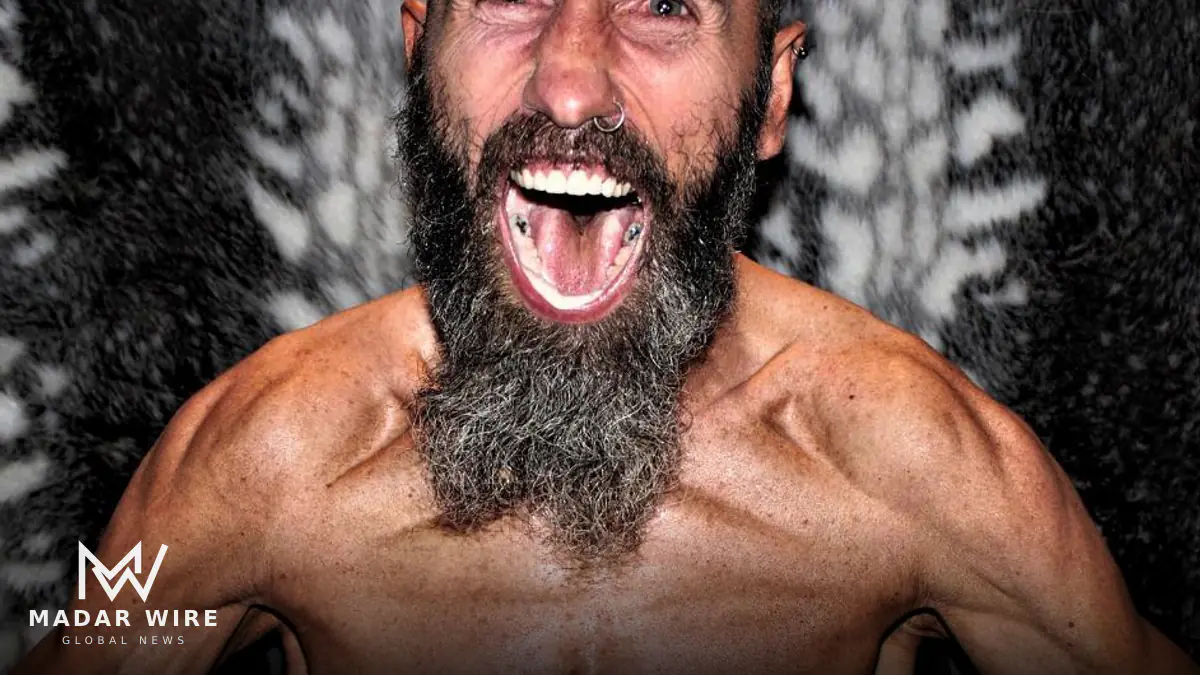
Nick Chisholm, a well‑known New Zealand bodybuilder who lived with locked‑in syndrome, died on Tuesday at the age of 53. The news was confirmed by his family and reported by the NZ Herald – National.
Chisholm’s condition began after a 1995 motorbike accident that left him quadriplegic and unable to communicate without assistive technology. Despite the severity of his injury, he turned to strength training as a means of regaining control over his body.
Early life and health challenges
Born in Auckland, Chisholm was an active teenager before the accident. The injury left him with locked‑in syndrome, a rare neurological condition that restricts voluntary movement while preserving consciousness. Medical experts cited in the NZ Herald – National said his rehabilitation involved intensive physiotherapy and the use of a speech‑generating device.
Friends and family recall his determination to master basic tasks, from moving a wheelchair to operating a computer cursor. Over time, he built enough strength to lift modest weights, a milestone that sparked his interest in bodybuilding.
Bodybuilding legacy and public impact
Chisholm entered the New Zealand bodybuilding scene in the early 2000s, competing in the under‑70kg division. He won several regional titles and became a regular speaker at disability‑awareness events. His story was featured in multiple media outlets, highlighting how adaptive training can empower people with severe physical limitations.
His brother, Matt Chisholm, told the NZ Herald – National that Nick “taught us how to live”. Matt said Nick’s optimism and work ethic inspired not only his own family but also countless New Zealanders facing health challenges.
Following his death, tributes poured in from the fitness community, disability advocates, and former competitors. Many noted his role in breaking stereotypes about what athletes with disabilities can achieve.
Nick Chisholm’s legacy will endure through the scholarships and mentorship programmes he helped establish for aspiring athletes with disabilities. His life exemplifies resilience, and his story continues to motivate a new generation of New Zealanders.