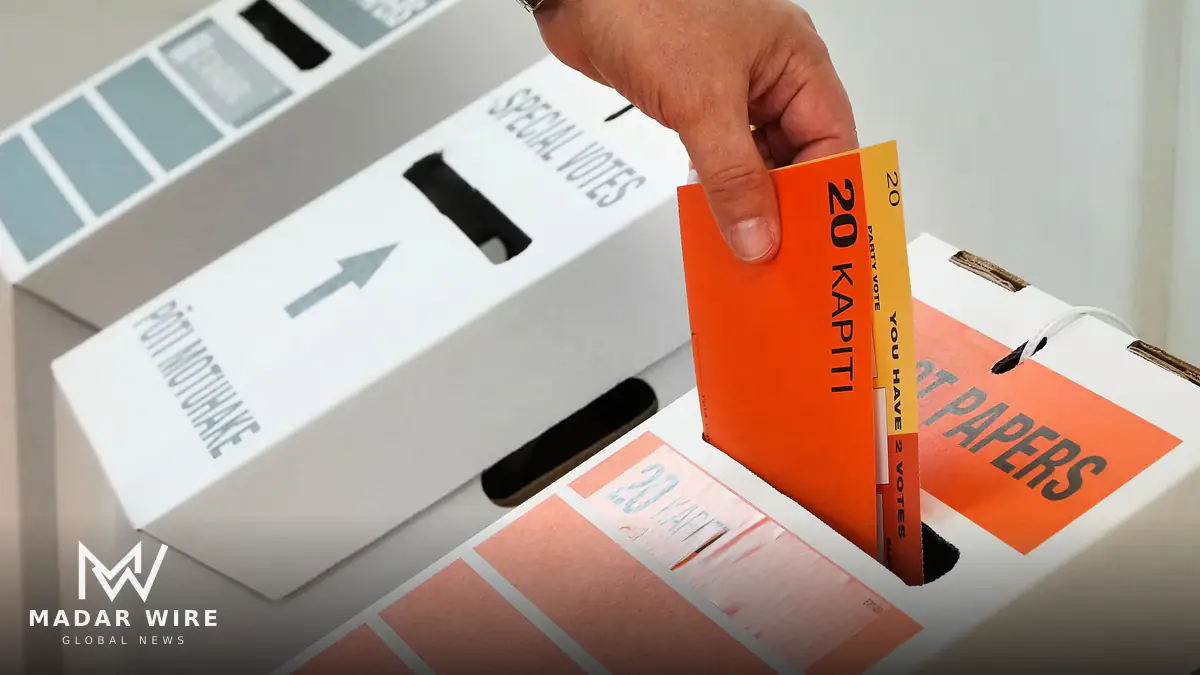
The final results of the New Zealand general election have been officially released, confirming the seat counts for all parties. The Electoral Commission has verified the last of the postal and special vote ballots, bringing the counting process to a close. This marks the end of the election period and the beginning of formal government formation talks.
According to data from New Zealand Politics & Wellington - Google, the distribution of seats reflects a fragmented House of Representatives. No single party has secured the 61 seats required for an absolute majority. Consequently, the largest parties are now engaged in intensive negotiations to form a stable governing coalition or confidence-and-supply agreement.
Coalition negotiations begin
Political leaders have moved into the formal phase of coalition talks. The focus is on finding common ground on key policy areas, including housing affordability, healthcare funding, and economic growth. Negotiations are expected to be complex given the diverse policy platforms of the potential coalition partners.
Analysts note that the final results have solidified the positions of several key swing seats. These seats, particularly in the Auckland region, were closely contested and have now been definitively allocated. The confirmation of these results removes the uncertainty that had lingered during the final days of counting.
What happens next
With the results finalised, the Governor-General will invite the leader of the party or coalition most likely to command the confidence of the House to form a government. This process typically involves several weeks of detailed negotiations on the terms of the coalition agreement.
The public will be watching closely as these talks unfold. The composition of the next government will have significant implications for New Zealand's economic direction and social policies. As the parties work to bridge their differences, the focus remains on delivering a stable and effective government for the country.