Sections
HomeNewsSportsTechEconomy

We use cookies to enhance your browsing experience, analyze site traffic, and personalize content. Privacy Policy

MADAR WIRE
GLOBAL NEWS
HomeNewsSportsTechEconomy
BREAKING
•Japan’s Prime Minister Defends International Criminal Court Role•Kolumbien: Alle Geiseln nach Supermarkt-Überfall befreit•Marcin Bosacki: Russia violates international law in Ukraine war•Dubai Bank Merger Creates $159B Islamic Lending Giant•Bank of Japan official signals push for faster interest rate hikes•Japan protestiert gegen neue US-Zölle und Überkapazitätsvorwürfe•US Consumer Spending Slows After Record Quarter•Brazil Rejects US Tariffs, Vows Not to Yield in Trade Dispute
Home/Economy

Poundland collapses into administration: Retail’s quiet crisis

MadarWire Newsroom•
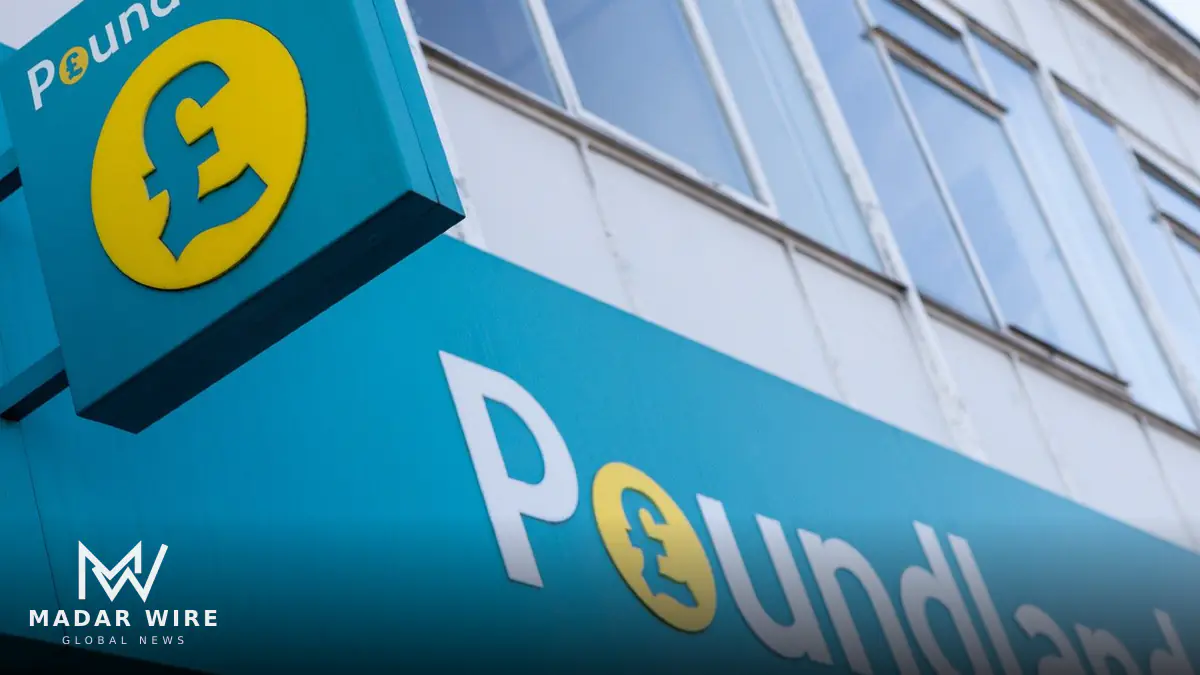
Poundland storefront with closed sign and empty shelves during administration announcement

Key Highlights

  • Poundland’s collapse marks the latest high-street casualty, following Wetherspoons and BHS, signaling broader retail sector instability.
  • Debt of £120m and a £100m loan from parent company Associated British Foods (ABF) triggered the administration, per BBC News - Business.
  • The brand’s failure underscores the pressure on discount retailers amid rising costs and shifting consumer behavior.

Poundland, the UK’s discount retail chain known for its £1 price point, has collapsed into administration, marking another high-profile casualty in Britain’s struggling high-street sector. The move follows years of financial strain, with the company’s parent company, Associated British Foods (ABF), stepping in with a £100m loan that ultimately proved insufficient to avert collapse.

Debt and structural pressures

The administration, announced on 12 June, comes after Poundland accumulated £120m in debt, according to BBC News - Business. The chain’s business model—relying on ultra-low prices and high turnover—has faced mounting pressure from rising operational costs, including energy bills and wages. ABF’s decision to inject capital in 2022 was seen as a last-ditch effort to stabilize the brand, but analysts suggest the underlying issues remained unresolved.

Retail’s shifting landscape

Poundland’s failure follows a wave of high-street closures, including Wetherspoons and BHS, highlighting the broader challenges facing traditional retailers. The pandemic accelerated the shift toward online shopping, while inflation and supply chain disruptions further eroded margins. For Poundland, the combination of these factors proved fatal, despite its once-strong foothold in discount retail.

Read Also

  • Poundland’s Collapse Threatens 11,000 Jobs After Failed Sale
  • AI Fears Drag US Markets Down
  • UK Households Cut Energy Costs With Smart Appliance Schedules

ABF, which owns Poundland alongside other brands like Twinings and Ryvita, has not confirmed whether it will attempt a rescue or liquidate the business. Employees and store managers are reportedly being notified of the administration, with fears over job security and the future of the brand’s 1,200+ locations.

Related Topics:#retail collapse#high-street administration#UK business failure

Latest News

Japan’s Prime Minister Defends International Criminal Court Role

Kolumbien: Alle Geiseln nach Supermarkt-Überfall befreit

Marcin Bosacki: Russia violates international law in Ukraine war

Dubai Bank Merger Creates $159B Islamic Lending Giant

Bank of Japan official signals push for faster interest rate hikes

MADAR WIRE

Independent 24/7 news coverage

HomeAbout UsEditorial PolicyPrivacy PolicyTerms of UseContact Us

© 2026 MadarWire. All rights reserved.

PinterestFacebookYouTube