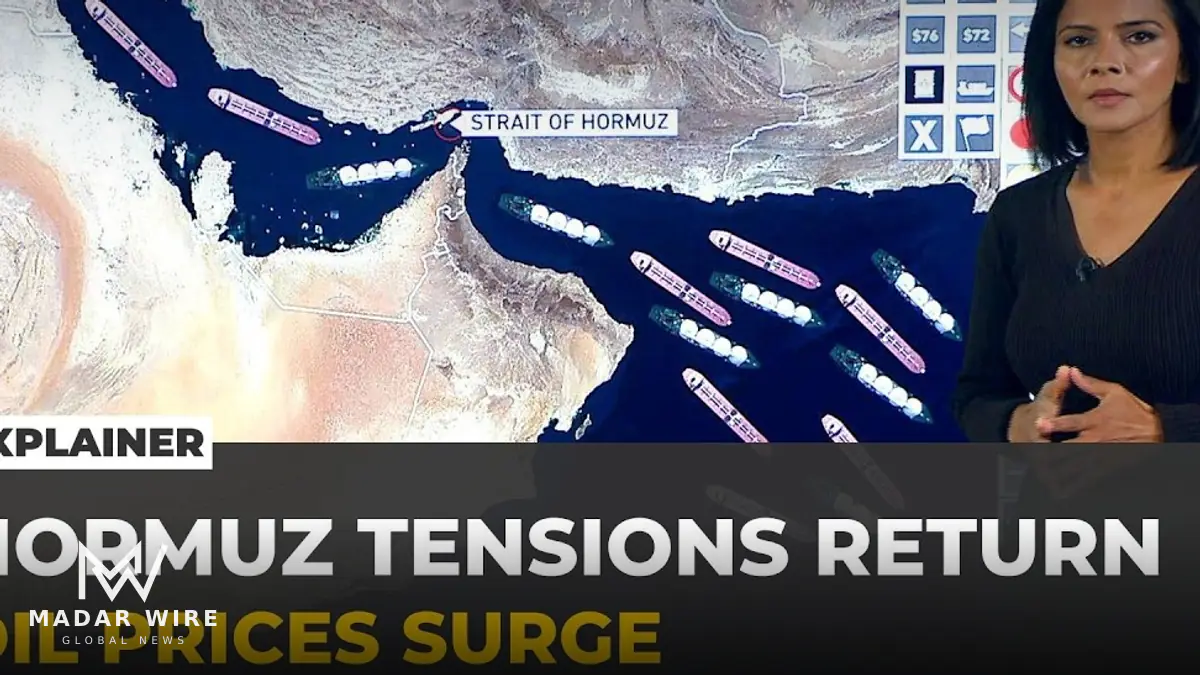
The Strait of Hormuz remains a flashpoint for global energy markets, with oil prices climbing as recent attacks near the Persian Gulf’s critical chokepoint threaten to derail supply stability. According to Investing.com - Market News, Brent crude futures surged past **$85 per barrel** on Wednesday, driven by escalating tensions that could disrupt one-third of the world’s seaborne oil exports.
Supply Chain Risks and Market Reactions
The latest incidents—attributed to Iran-backed militias—have intensified fears of prolonged disruptions to Saudi and UAE oil flows, both of which transit the narrow strait. Traders are now factoring in higher operational costs, including increased maritime insurance premiums and alternative routing expenses, as shipping firms navigate the region’s volatile waters. Analysts warn that sustained attacks could trigger a **supply shock**, particularly if key producers like Saudi Aramco face prolonged export restrictions.
Geopolitical Fallout and Long-Term Implications
Beyond immediate price spikes, the situation underscores the fragility of energy markets amid shifting alliances and proxy conflicts. The U.S. and its Gulf allies have ramped up military patrols in the region, but analysts question whether deterrence efforts will be enough to prevent further escalation. Meanwhile, investors are monitoring OPEC+ production cuts and potential countermeasures from Russia and Iraq, which could further tighten global inventories. The market’s sensitivity to Gulf instability highlights the enduring vulnerability of a system still reliant on a single, high-risk chokepoint.