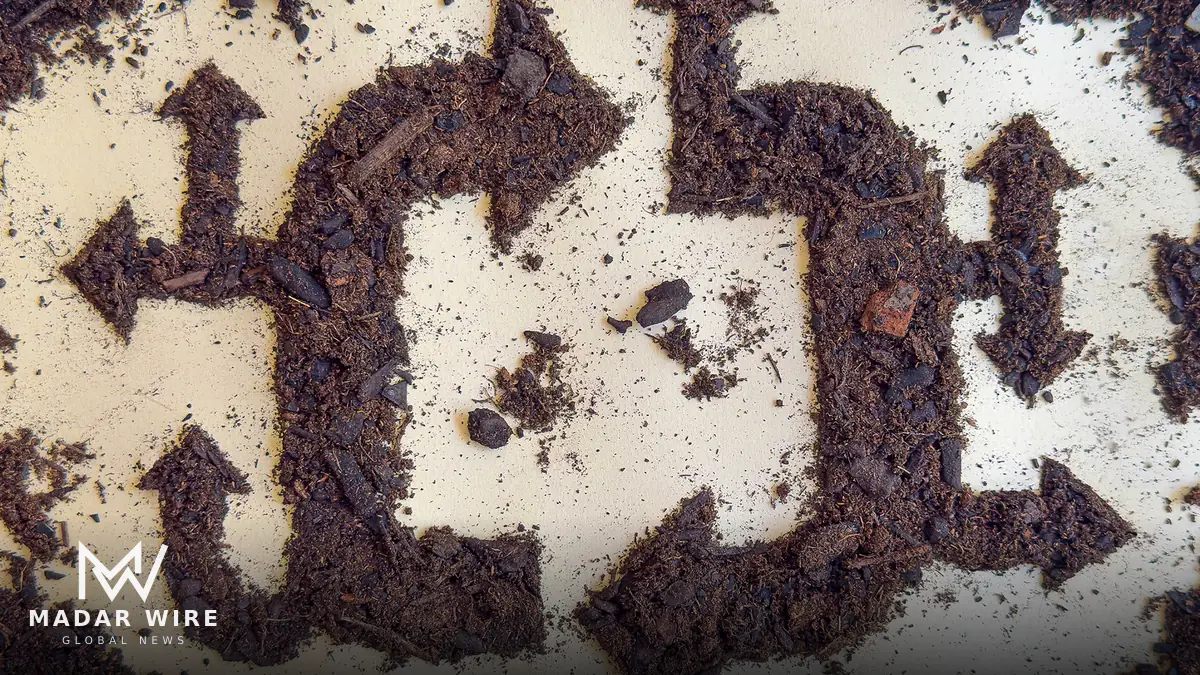
A long-term study has uncovered a surprising resilience in the chemical makeup of soil, challenging the assumption that sterilization halts all activity. According to a report from Wired, researchers observed that biologically significant chemical reactions continued to occur within sterilized soil samples for six years, suggesting that the building blocks of life may be more durable than previously understood.
The experiment involved subjecting soil to rigorous sterilization processes to eliminate living organisms. Despite these efforts, the chemical environment remained dynamic. This persistence indicates that certain abiotic reactions—those occurring without the presence of life—can mimic the complexity typically associated with biological systems over extended periods.
Rewriting the Origins of Life
This discovery offers a new perspective on how life on Earth may have originated. If complex chemical reactions can sustain themselves in a sterile environment for years, it implies that the transition from non-living matter to biological life might have been supported by a much more stable chemical foundation than scientists once hypothesized.
By understanding how these reactions persist, researchers can better distinguish between true biological signatures and the background chemical noise of a planet. This is particularly relevant for ongoing astrobiology missions, where identifying life on Mars or icy moons requires precise knowledge of what constitutes a genuine biological marker versus a persistent abiotic reaction.
Implications for Astrobiology
The Wired report highlights that these findings could fundamentally shift how we search for extraterrestrial life. Rather than looking for immediate metabolic activity, scientists may need to account for long-term chemical legacies that could persist on barren worlds for decades or even centuries.
As technology for remote sensing and sample analysis improves, this data provides a critical baseline for interpreting results from robotic landers. By accounting for these persistent chemical pathways, the scientific community can refine its search parameters, ensuring that future missions are equipped to identify the true signatures of life amidst the complex, non-biological chemistry of the cosmos.