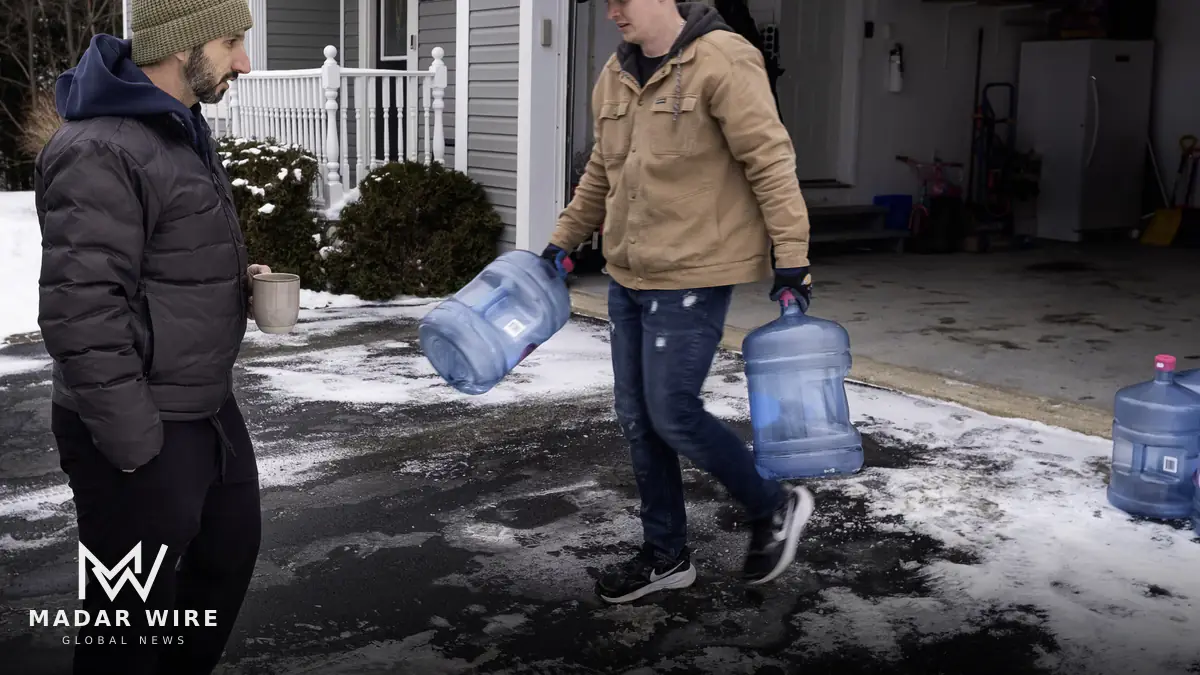
Residents living downstream from the St. John’s International Airport have launched a lawsuit against the federal government, alleging that toxic 'forever chemicals' have contaminated their local drinking water supply. The legal action follows a recent study that identified elevated levels of per- and polyfluoroalkyl substances (PFAS) in the area, raising significant health concerns for the surrounding community.
According to reporting by The Globe and Mail, the plaintiffs contend that the presence of these synthetic compounds is linked to historical firefighting activities at the airport site. The lawsuit seeks damages and a comprehensive remediation plan, arguing that federal authorities failed to adequately monitor or mitigate the environmental impact of these substances over several decades.
Health concerns and environmental impact
PFAS are a group of durable chemicals widely used in industrial and commercial products, including firefighting foams historically utilized at airports. Because these chemicals do not break down easily in the environment, they can accumulate in soil and groundwater, posing potential long-term risks to human health, including links to various cancers and immune system suppression.
The study cited in the legal filings highlights that concentrations in the affected areas significantly exceed safety thresholds. Residents claim that their reliance on well water has left them vulnerable to exposure, prompting calls for immediate government intervention and the provision of safe, alternative water sources for the affected households.
Legal challenge against federal oversight
The lawsuit targets the federal government, alleging negligence in the management of environmental hazards at the St. John’s facility. The plaintiffs argue that despite growing scientific evidence regarding the toxicity of PFAS, federal agencies failed to implement necessary safeguards or inform the public about the potential risks posed to their private wells.
As the case proceeds, it is expected to draw further scrutiny toward the federal government’s responsibility for environmental contamination on land under its jurisdiction. The outcome could set a significant precedent for how similar environmental health claims are handled across Canada, particularly in regions where industrial operations intersect with residential water supplies.