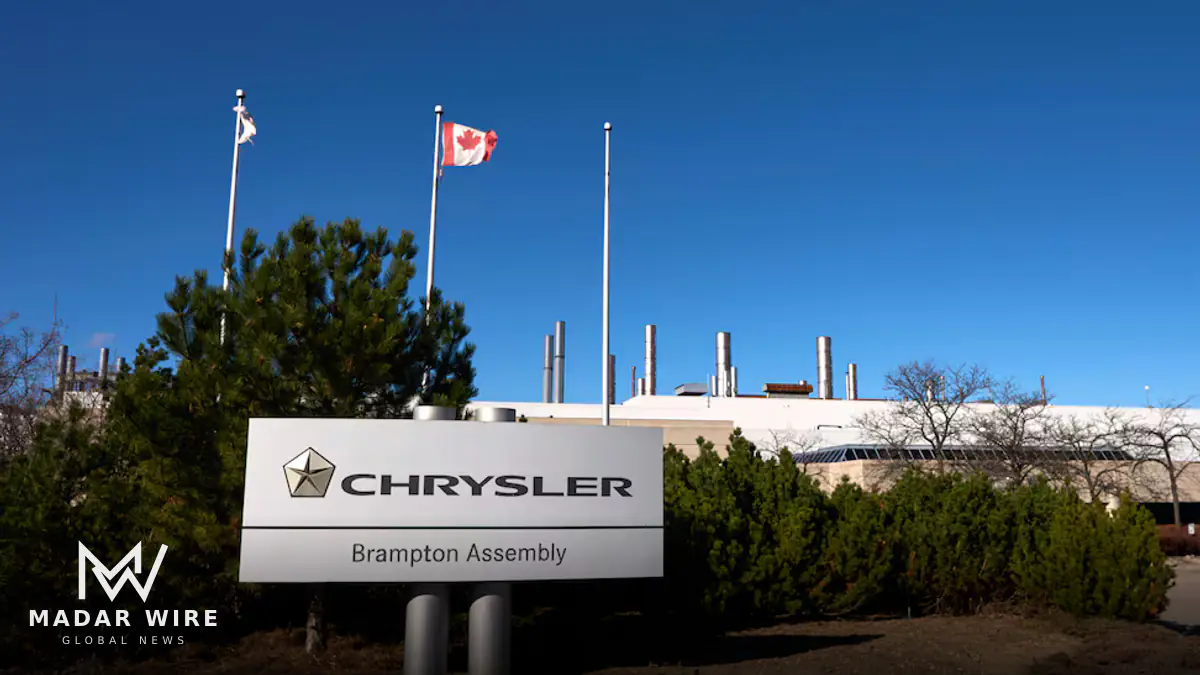
Stellantis has initiated legal action against Unifor, alleging that the union is actively impeding necessary environmental assessment work at the automaker’s assembly plant in Brampton, Ont. According to reports from CBC News - Canada, the dispute threatens to stall a property transaction critical to the company's regional operations.
The automaker contends that the environmental site assessment is a mandatory prerequisite for the sale of the facility. Stellantis claims that union representatives have prevented contractors from accessing the site to conduct the required soil and structural testing, effectively halting the process.
Legal escalation in Brampton
The Brampton facility has long been a cornerstone of Ontario’s automotive sector. As the industry shifts toward electric vehicle production, Stellantis has been reconfiguring its Canadian assets, leading to complex negotiations regarding land use and infrastructure. The lawsuit marks a significant escalation in the relationship between the company and the union, which represents thousands of workers at the site.
Legal experts suggest that such disputes are rare in the automotive sector, where collective bargaining agreements typically provide mechanisms for resolving operational conflicts. By taking the matter to court, Stellantis is signaling that internal grievance procedures have failed to resolve the impasse regarding site access.
Impact on future operations
The environmental assessment is a standard regulatory requirement for industrial land transfers in Ontario. Failure to complete these tests on schedule could jeopardize the timeline for the plant's transition or sale, potentially impacting future investment plans in the province.
Unifor, which has been vocal about protecting member interests during the transition of the Brampton plant, has not yet provided a detailed rebuttal to the allegations. The union has previously emphasized the importance of transparency and job security as Stellantis modernizes its manufacturing capacity. As the case moves through the court system, both parties face pressure to reach an agreement that prevents long-term disruption to one of Canada's most vital industrial hubs.