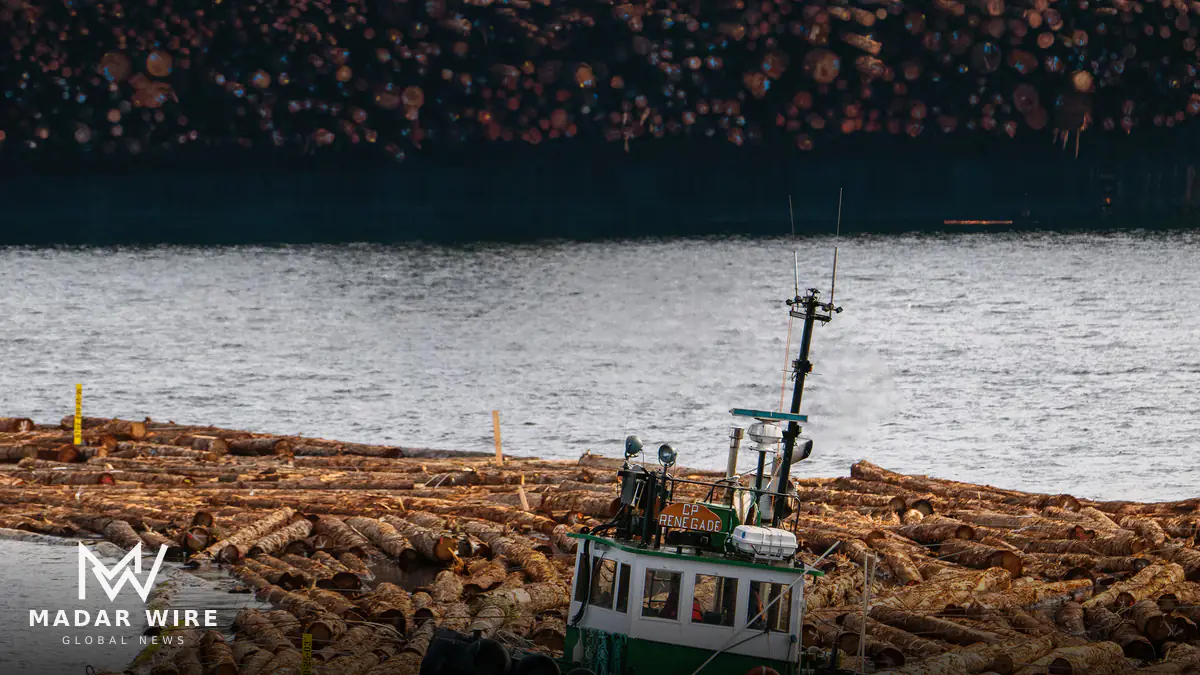
The federal government announced a $6.5-billion, decade-long plan Monday to reinvent Canada’s struggling forest sector, shifting production away from traditional lumber, pulp, and paper toward higher-value bioproducts and composites. The strategy, outlined by Natural Resources Minister Jonathan Wilkinson, aims to modernize an industry facing declining competitiveness and job losses.
Decade-long transformation with $6.5B investment
Wilkinson told reporters the funding—spread across provinces—will support research, innovation, and infrastructure upgrades to help forest companies transition into new markets. "This isn’t just about saving jobs; it’s about ensuring Canada remains a leader in sustainable forestry solutions," he said. The plan includes targeted subsidies for companies adopting advanced technologies, such as bioproducts derived from wood waste and engineered wood products for construction.
Industry warns of urgent action needed
While the government frames the initiative as a long-term solution, forestry associations have warned that without immediate intervention, thousands of jobs could vanish by 2025. "We’re losing ground to the U.S. and Europe in both efficiency and innovation," said Greg Hamelin, president of the Canadian Forest Products Association. He noted that Canada’s lumber exports to the U.S. have dropped 15% since 2022, partly due to higher domestic production costs. The plan also addresses climate concerns by promoting carbon-capture technologies in forestry operations.
The funding will be distributed through provincial partnerships, with priority given to regions like British Columbia, Quebec, and Ontario—key producers of softwood lumber and pulp. Critics, however, question whether the scale of investment matches the sector’s challenges, particularly after years of underfunding in federal forestry programs.