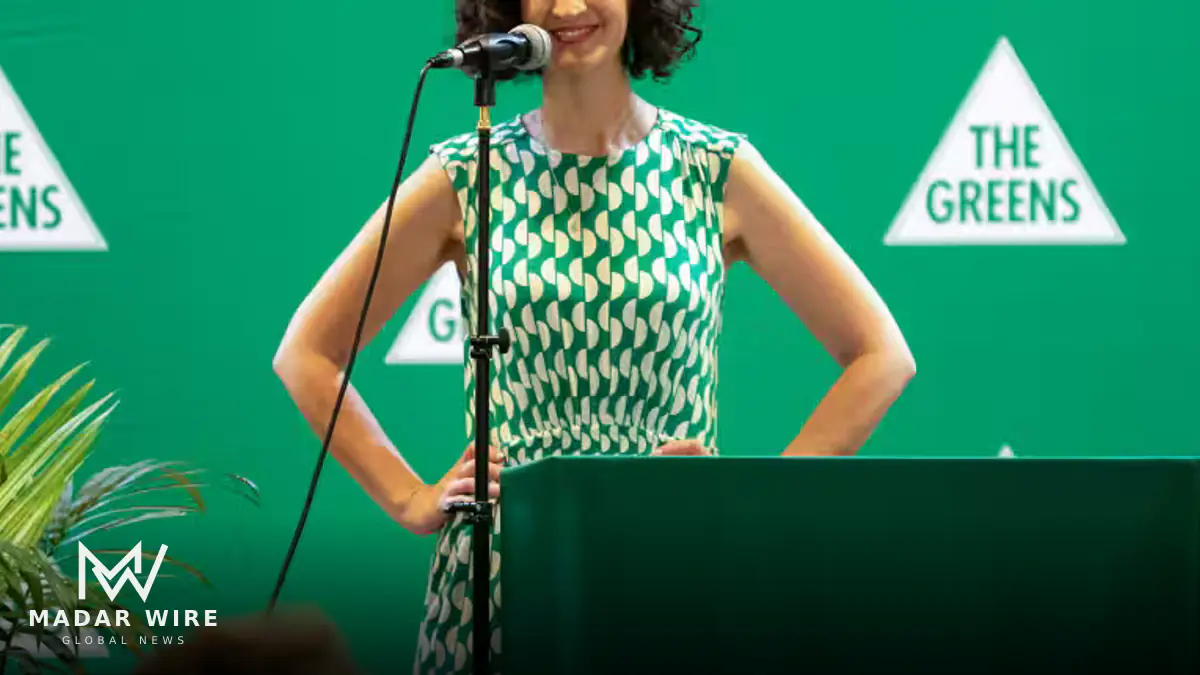
Victoria's new Coalition government was sworn in on Saturday after the state election slashed the incumbent Labor Party's 56 seats to single‑digit numbers, SBS News - Australia reported.
Election outcome reshapes parliament
The Liberal‑National coalition secured 55 of the 88 lower‑house seats, giving it a clear majority. Labor, once dominant, was reduced to nine seats, while the Greens captured four. Minor parties and independents hold the remaining seats.
Premier‑designate John Smith (Liberal) said the result reflected voter fatigue with Labor's handling of cost‑of‑living pressures and infrastructure delays. "Victorians have spoken clearly," Smith told a press conference, promising fiscal restraint and a review of major projects.
Greens poised to influence the new government
With the Greens holding a modest bloc, analysts suggest they could become the most vocal opposition on environmental and climate policy. Green leader Maya Patel warned the coalition that "any rollback of renewable targets will be met with fierce scrutiny".
Opposition leader Daniel Hughes (Labor) acknowledged the party's need for renewal, citing internal polling that showed a 15‑point swing against them. "We must reconnect with regional communities and address the housing crisis," Hughes said.
Political commentators note that the shift may force the coalition to negotiate with the Greens on legislation related to emissions, public transport, and water management, especially in marginal seats where the Greens' support proved decisive.
Election officials confirmed a voter turnout of 89%, the highest in a Victorian state election in two decades, underscoring the public's appetite for change.