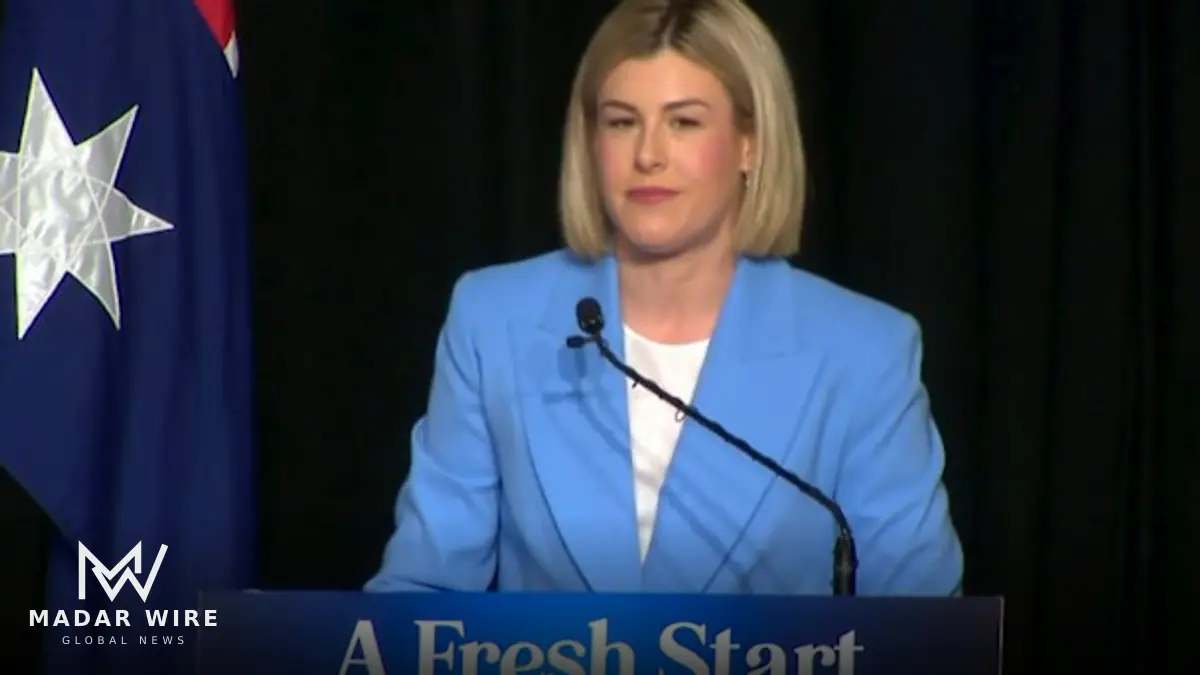
The 36-year-old Jess Wilson has taken office as Victoria’s youngest premier in 150 years, inheriting a state grappling with housing shortages, soaring living costs, and economic challenges. Her appointment follows the resignation of Daniel Andrews after 12 years in power, marking a generational shift in Melbourne’s political leadership.
First priorities: Housing and mental health
Wilson’s first public statements outline a focus on affordable housing, describing it as an ‘urgent crisis’ that demands immediate action. ‘We can’t keep building more apartments while families are priced out of the market,’ she told reporters in Melbourne yesterday, citing a Sydney Morning Herald analysis showing median house prices in Melbourne now exceed $1 million. Her government will explore zoning reforms, incentives for social housing, and partnerships with private developers to accelerate supply.
Mental health support will also be a cornerstone of her agenda, with Wilson announcing a review of Victoria’s mental health system within her first 100 days. ‘Too many Victorians are struggling in silence,’ she said, referencing a Herald report highlighting a 30% rise in youth anxiety diagnoses since 2020. The premier has pledged to expand school-based counselling programs and expand access to crisis services, including a proposed 24/7 helpline for young people.
Regional revival and cross-party collaboration
Wilson has signalled a commitment to reversing the decline of Victoria’s regional areas, where unemployment rates remain stubbornly higher than in metropolitan centres. ‘Regions are the future of this state,’ she stated, pointing to Herald data showing 40% of Victoria’s landmass has seen population decline over the past decade. Her team will investigate tax incentives for businesses relocating to regional hubs and fast-track infrastructure projects like the Geelong rail electrification.
Unlike her predecessor, Wilson has emphasised the need for cooperation with the opposition Liberal Party and local councils. ‘We’ve got a lot of work to do, and no one party can do it alone,’ she told the Herald, noting her government would seek bipartisan support for key measures like transport upgrades and childcare subsidies. The budget, released last month, includes a $2.5 billion housing package but leaves critics questioning whether spending cuts elsewhere will undermine her social policies.
The transition comes as Victoria faces a Herald-tracked election in late 2026, with Wilson positioning herself as a reformer rather than a continuity candidate. ‘I’m not here to repeat the past,’ she said. ‘I’m here to build a fairer Victoria.’