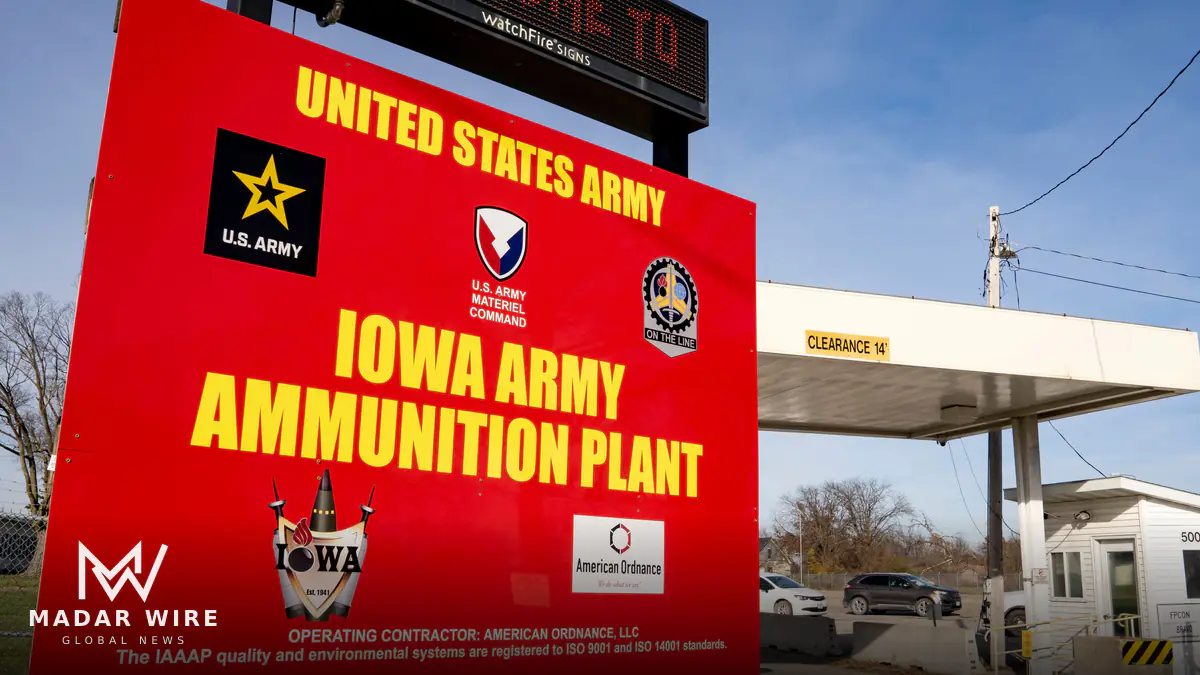
The U.S. Army has invoked emergency powers to authorize the detonation of lead-contaminated materials at an Iowa facility, a move that effectively bypasses a standing court order. The decision, reported by Reuters US - Google, marks a significant escalation in a long-standing dispute over environmental safety and waste management protocols at the site.
Emergency Authority vs. Judicial Oversight
Legal experts and environmental advocates are closely monitoring the situation as the military asserts its authority to override civilian judicial rulings. By invoking emergency powers, the Army contends that the immediate disposal of the lead waste is necessary to address pressing safety concerns that supersede the previous court-imposed restrictions. This maneuver has raised questions regarding the limits of federal military discretion when faced with local environmental mandates.
Environmental and Legal Implications
The controversy centers on the methods used to neutralize lead waste, which critics argue pose risks to the surrounding Iowa ecosystem. According to Reuters US - Google, the Army’s decision to proceed with detonations despite the court order suggests a prioritization of operational readiness over existing legal injunctions. The move is expected to trigger further litigation as local stakeholders and environmental groups seek to challenge the scope of the military's emergency powers in this context.
The standoff underscores the complexity of managing hazardous materials within military installations that are subject to both federal directives and state-level environmental regulations. As the situation develops, the focus remains on whether the Army’s invocation of emergency authority will withstand judicial review or lead to a broader confrontation regarding federal accountability in environmental matters.