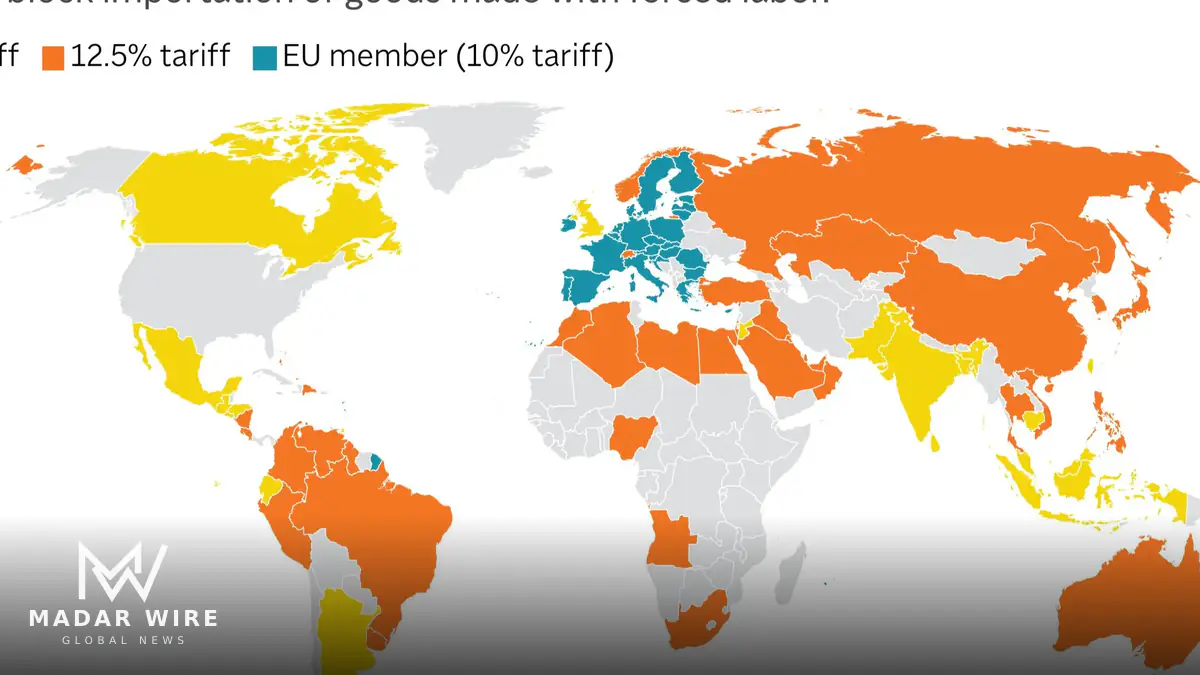
The latest wave of US tariffs announced by President Trump may prove less disruptive than anticipated, as global trade networks have already developed robust workarounds to bypass previous protectionist measures. According to BBC News – Business, economists argue that the economic ripple effects of tariffs are diminishing as countries systematically reroute supply chains away from targeted sectors.
Supply Chains Adapt Faster Than Policy Changes
When Trump first imposed tariffs on Chinese goods in 2018, manufacturers and retailers scrambled to relocate production to Vietnam, India, and Mexico—countries offering lower tariffs and stable trade agreements. BBC News reports that this pattern repeats with each new tariff announcement, with firms now treating protectionist measures as temporary market fluctuations rather than permanent shifts.
The result? Trade volumes to the US have remained surprisingly stable despite tariff hikes, as importers absorb costs or seek alternative sourcing. A 2023 study by the Peterson Institute for International Economics cited by BBC found that for every 1% increase in tariffs, global trade rerouting reduced net US import costs by 0.3–0.5%. This suggests tariffs are increasingly self-correcting, with businesses absorbing the burden rather than passing it to consumers.
Geopolitical Fatigue Outweighs Protectionism
Beyond supply chain flexibility, the broader geopolitical landscape has shifted. The EU, China, and other major economies have accelerated their own trade diversification strategies—reducing vulnerability to US policy whims. BBC highlights the EU’s Global Gateway initiative, which allocates €300 billion to infrastructure projects in Africa and Asia, effectively decoupling some supply chains from US-dependent routes.
China’s Belt and Road Initiative further complicates Trump’s tariff strategy, as Beijing has deepened trade ties with Southeast Asia, Latin America, and even Russia—markets where US protectionism holds little sway. Analysts warn that these long-term investments could outlast Trump’s presidency, making tariffs a short-term tool with diminishing returns.
The White House’s latest tariff proposals—targeting electric vehicles and solar panels—may face similar resistance. If history repeats, manufacturers will simply adjust, and the US may end up footing the bill for higher domestic energy costs without securing lasting economic gains.