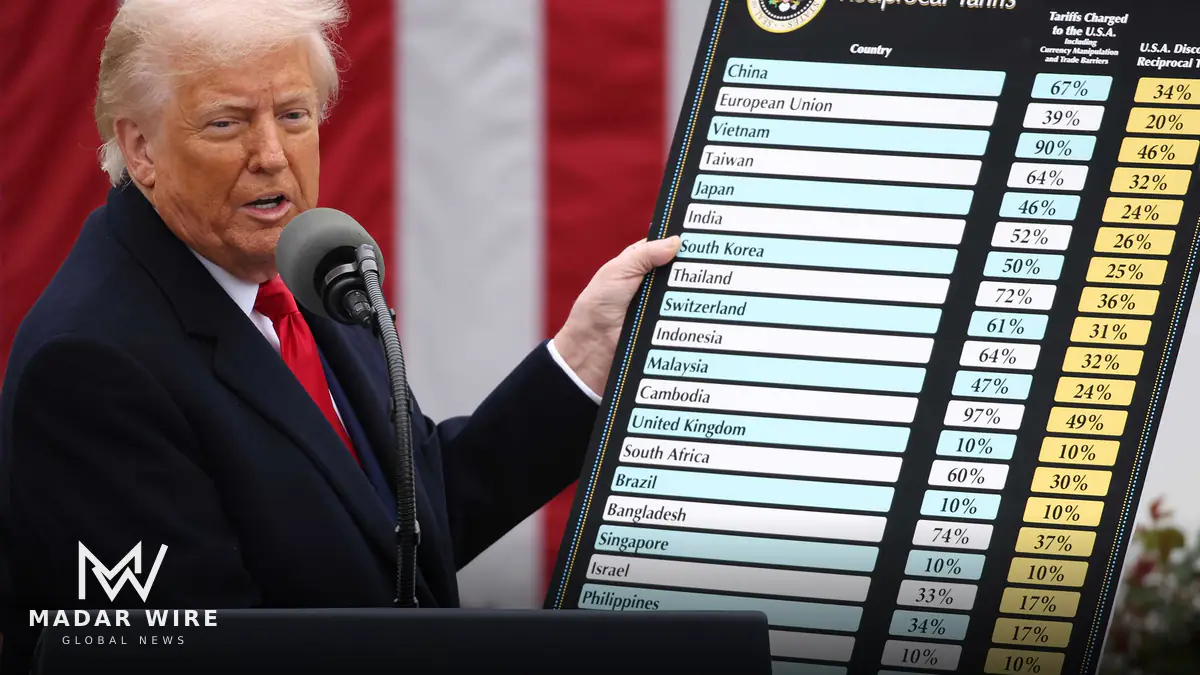
President Trump’s latest tariff announcements—expanding protections on U.S. industries—have sent shockwaves through global trade markets, with immediate ripple effects on manufacturers, exporters, and consumers. The moves, detailed by Investing.com, target China, the European Union, and Mexico, marking a sharp escalation in protectionist policies amid lingering geopolitical tensions.
China Under Fire: $18B in New Tariffs Target Tech and Manufacturing
The U.S. will impose 25% tariffs on $18 billion worth of Chinese goods, including advanced machinery, semiconductors, and automotive parts—sectors critical to both nations’ supply chains. Analysts warn this could further strain China’s tech sector, already grappling with U.S. export controls on AI chips and quantum computing hardware. For American manufacturers, the dual pressures of higher input costs and retaliatory tariffs (China has previously targeted U.S. soybeans and aerospace) threaten profit margins in industries like aerospace and agriculture.
EU and Mexico in Crosshairs: Steel, Aluminum, and Agricultural Disruptions
Beyond China, the U.S. has reinstated 25% tariffs on steel and aluminum imports from the EU, reversing a 2018 exemption granted under pressure from Brussels. Meanwhile, Mexico faces new duties on auto parts and agricultural products, complicating NAFTA renegotiations and supply chain dependencies. The EU’s response is expected to be swift—retaliatory tariffs on U.S. bourbon, jeans, and motorcycles could follow, as seen in past cycles. For global automakers like Volkswagen and GM, these tariffs complicate just-in-time production models reliant on cross-border parts flows.
Market reactions have been mixed: The S&P 500 experienced a 0.3% decline as industrial stocks like 3M and Caterpillar faced downward pressure, while tech giants like Apple (which sources components from China) held steady. Long-term, economists caution that persistent tariffs could inflate inflationary pressures, particularly in sectors like housing and transportation, where steel and aluminum are foundational inputs.