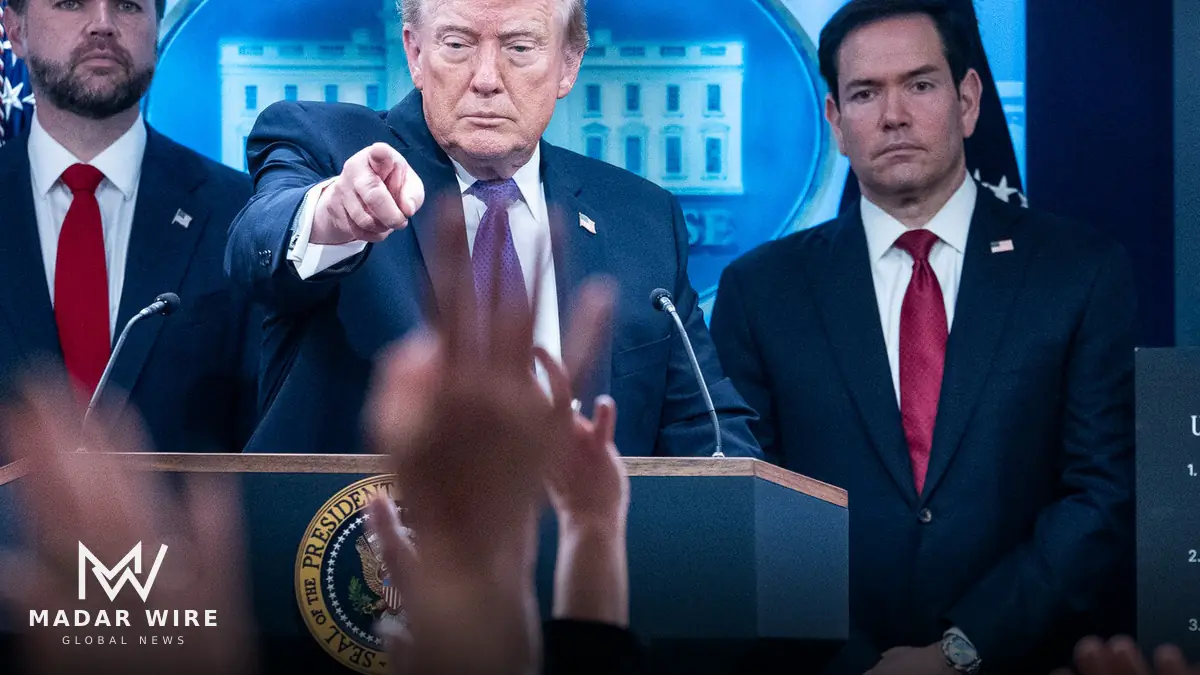
President Donald Trump has signed an executive order designed to restrict congressional oversight of federal contractors, according to reporting from The New York Times. The directive limits the ability of legislative committees to access specific data and conduct inquiries related to government spending and procurement processes.
The move is widely viewed as a strategic response to growing scrutiny from lawmakers. By tightening controls on information flow, the administration seeks to reduce the scope of potential investigations into its operational decisions and financial management.
Blunting Legislative Investigations
According to The New York Times, the executive order represents the latest effort to blunt Democratic plans to investigate the administration’s actions. Critics argue that the order undermines the constitutional balance of power by insulating executive branch activities from legislative review.
Democratic leaders have condemned the move, stating that it obstructs their duty to oversee the use of taxpayer funds. They contend that transparency is essential for accountability, particularly regarding contracts awarded during the current administration. The White House maintains that the order is necessary to protect sensitive operational details and ensure efficient government operations.
Legal and Political Implications
The executive order is expected to face immediate legal challenges. Legal experts suggest that courts will need to determine the extent to which the president can limit congressional oversight without violating separation of powers principles. Past precedents indicate that such restrictions often result in prolonged litigation.
Political analysts note that this action intensifies the ongoing conflict between the executive and legislative branches. It sets a precedent for how future administrations might handle oversight requests, potentially reshaping the dynamics of government accountability. The New York Times highlights that this development marks a significant escalation in the administration’s efforts to control the narrative around its policies.
As the political landscape shifts, stakeholders in both parties are monitoring the situation closely. The outcome of any resulting legal battles could have lasting implications for federal governance and the role of Congress in checking executive power. For now, the administration stands firm on its position, asserting that the order aligns with its broader goals of efficiency and security.