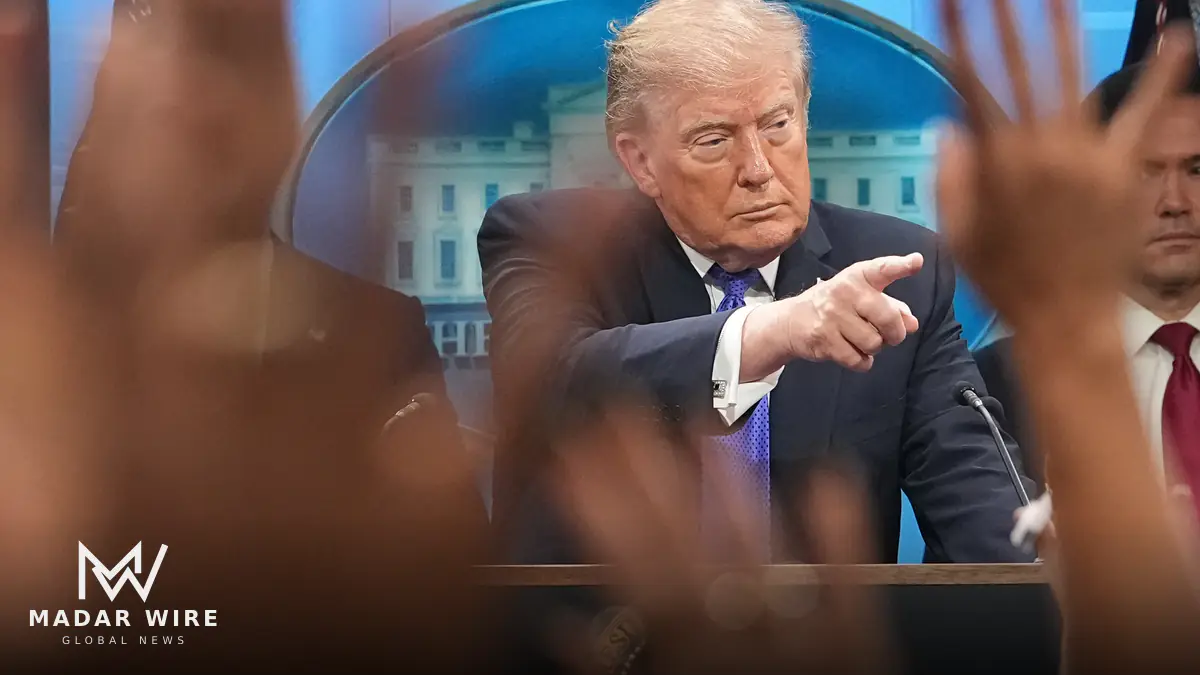
President Trump has issued a formal directive requiring federal contractors to consult with the White House before responding to inquiries from Congress. According to reports from NPR National Headlines, the administration is asserting its authority to withhold communications deemed protected by executive privilege.
This policy change marks a significant shift in how private entities working with the federal government manage oversight requests. Under the new guidelines, contractors are instructed to notify the White House of any requests for information from legislative bodies, effectively creating a centralized review process for documents and testimony.
Implications for Congressional Oversight
The directive raises immediate questions regarding the scope of Congressional investigative power. By requiring contractors to route communications through the executive branch, the administration is positioning itself as a gatekeeper for information that was previously provided directly to lawmakers. Legal experts suggest this could lead to protracted disputes between the legislative and executive branches over the definition of privileged information.
Congressional committees frequently rely on contractors to provide insight into government programs, procurement processes, and potential waste or mismanagement. By imposing this layer of oversight, the White House may be attempting to curb the flow of information that could be used in political investigations or public hearings.
Legal and Administrative Challenges
The move is expected to face pushback from lawmakers who view the directive as an attempt to undermine their constitutional mandate to oversee federal operations. NPR National Headlines notes that the administration maintains this protocol is essential to protect sensitive government data and ensure that contractors do not inadvertently disclose privileged materials.
Contractors now face a complex compliance landscape. They must navigate the competing demands of fulfilling their contractual obligations to the government while simultaneously responding to legal requests from Congress. Failure to adhere to these new White House protocols could potentially jeopardize future government contracts, creating a high-stakes environment for private firms operating within the federal sphere.