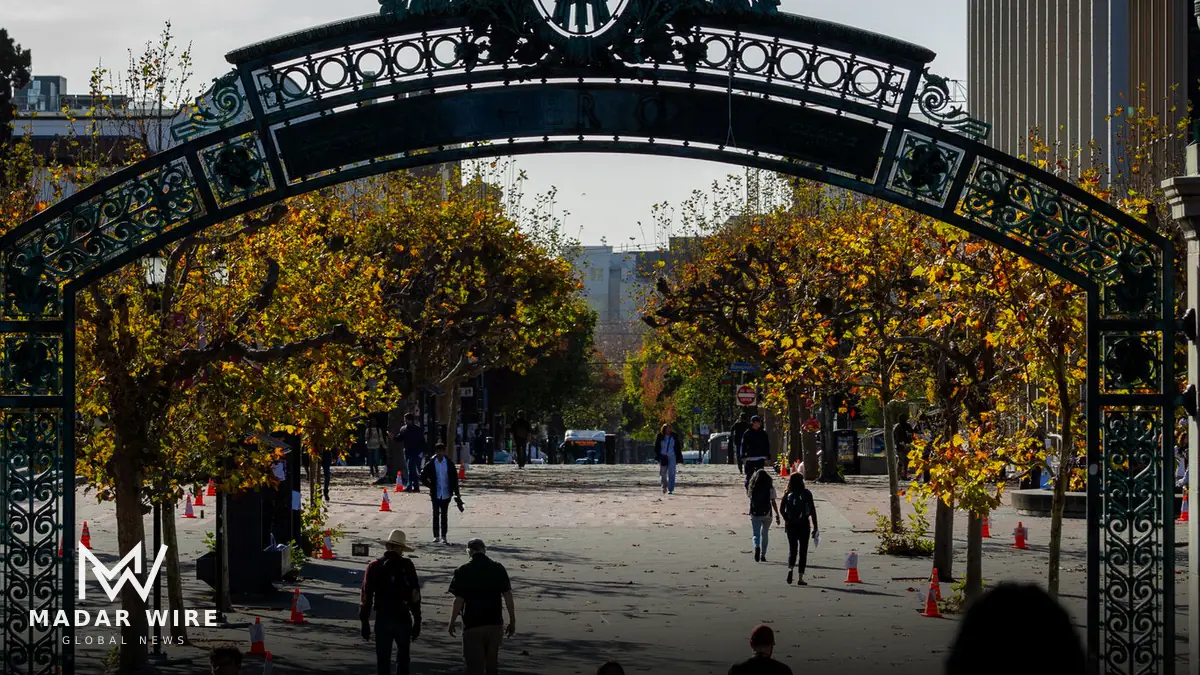
International student enrollment at American universities faces a new period of uncertainty as the Trump administration prepares a series of restrictive policy changes. According to reporting from NYT - US News, these measures are designed to tighten oversight on student visas and limit the ability of foreign nationals to work within the United States after graduation.
The proposed shifts come at a critical juncture for higher education institutions that have long relied on international tuition revenue to balance their budgets. As the regulatory landscape becomes more complex, administrators fear that prospective students will increasingly look to competing nations, such as Canada, the United Kingdom, or Australia, for their academic pursuits.
Impact on University Revenue Models
For many colleges, international students are a vital financial lifeline, often paying full tuition rates that subsidize domestic programs and research initiatives. NYT - US News indicates that the looming policy changes have already prompted university leaders to prepare for significant enrollment dips. If the trend continues, institutions may be forced to cut faculty positions, reduce campus services, or increase tuition costs for domestic students to compensate for the shortfall.
Beyond the immediate financial impact, the decline in international students threatens the diversity of the American classroom. Educators argue that the exchange of ideas between domestic and international students is a cornerstone of the US academic experience, contributing to innovation and global networking opportunities that benefit the national economy.
Stricter Oversight and Visa Hurdles
The administration’s focus centers on stricter vetting processes and potential caps on Optional Practical Training (OPT), a program that allows international graduates to work in the U.S. for a limited time. Critics of the policy argue that these hurdles create a hostile environment for talent, effectively discouraging the brightest minds from contributing to American industries.
As the implementation of these rules approaches, legal experts and university lobbyists are preparing for potential litigation. However, the current climate suggests that higher education will remain a primary target in the administration's broader push to restrict immigration pathways. For now, colleges are left to navigate a narrowing corridor of opportunity, attempting to reassure current students while bracing for a drop in new applications.