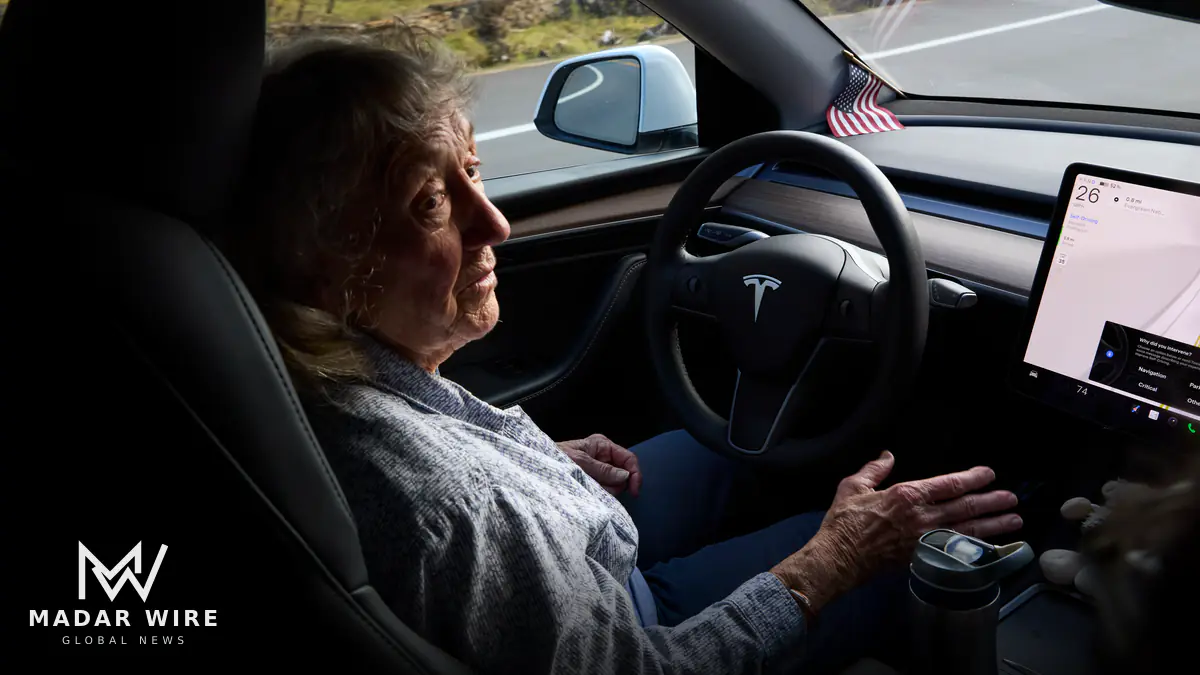
Tesla's automated driving features have become a lifeline for a growing number of older Americans seeking to keep their driver's licenses. According to reporting by NPR US News, many seniors are embracing the technology to stay on the road longer, citing the convenience and reduced physical strain associated with assisted driving.
However, this surge in adoption among the elderly demographic has raised significant red flags for traffic safety experts. Critics argue that Tesla may be over-selling what its cars can actually do, creating a dangerous gap between user expectations and technical reality.
The Appeal for Aging Drivers
For drivers in their 60s and 70s, the prospect of losing mobility is a primary concern. Tesla's Autopilot and Full Self-Driving (FSD) beta features allow vehicles to steer, accelerate, and brake automatically on highways and certain city streets. Many seniors report that these tools help them manage fatigue and reaction time issues, which are common age-related challenges.
NPR US News notes that some owners feel the technology allows them to defer the difficult decision of giving up their cars. This sentiment is particularly strong among those who live in areas with limited public transportation options. The ability to remain mobile is often viewed as a critical component of maintaining independence and social connection in later life.
Expert Warnings on Safety Risks
Despite the personal benefits reported by users, safety organizations and independent researchers remain skeptical. They warn that Tesla's systems are not fully autonomous and require constant driver supervision. The term "Autopilot" itself is misleading, as it implies a level of autonomy that does not currently exist in consumer vehicles.
Safety experts caution that older drivers may be less likely to recognize when the system is struggling or when they need to take over control. Reaction times slow with age, and if a driver becomes overly reliant on the car's automated functions, they may not respond quickly enough to sudden changes in traffic conditions. This potential for complacency is the central concern for regulators and insurers alike.
The debate highlights a broader tension in the automotive industry: the push for advanced driver-assistance systems versus the need for clear, transparent communication about their limitations. As Tesla continues to expand its fleet, the question of how to safely integrate these technologies for all age groups remains unresolved.