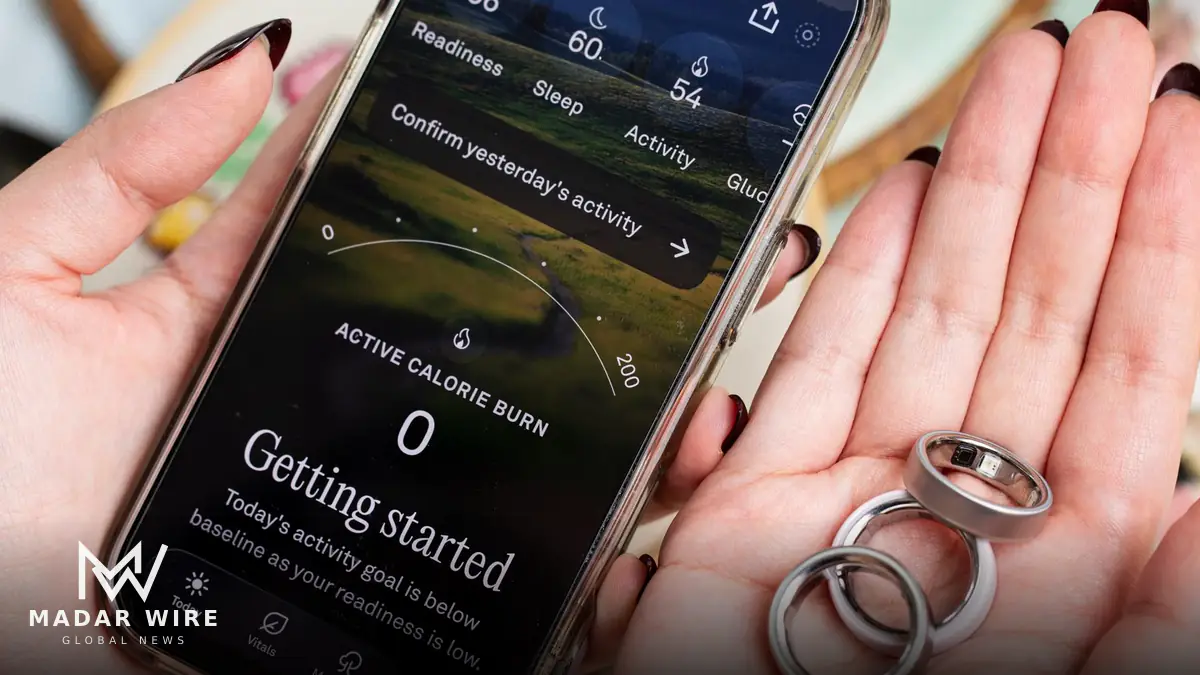
The Oura Ring, a popular wearable for tracking sleep, heart rate, and recovery metrics, will soon force users on older Android devices to upgrade—or risk losing their health data.
Oura announced it will drop support for Android 11 on December 8, 2026, according to The Verge. Users still running the OS after that date may face disruptions, including the inability to sync or access their historical data collected via the Oura app.
Data Access at Risk
The company’s updated support page explicitly warns that Android 11 users will need to upgrade to Android 12 or a newer version to maintain full functionality. While Oura has not detailed whether data will be permanently lost or merely inaccessible, the implication is clear: prolonged inaction could erase years of health insights tied to the wearable.
For users invested in long-term health tracking, the deadline is a critical reminder of how rapidly tech ecosystems evolve. Many wearables—including those from Fitbit and Garmin—have similarly phased out older OS versions, leaving users to either upgrade or risk losing access to their devices or data.
Why the Change?
Oura’s decision aligns with industry-wide trends prioritizing security and performance. Newer Android versions include updated APIs, encryption protocols, and compatibility layers that modern health apps rely on. Without these, apps risk malfunctions, security vulnerabilities, or outright failure to operate.
The Verge notes that Oura has not provided a clear migration path for users unable to upgrade their devices. While some may opt for third-party solutions to salvage their data, the company’s stance underscores a growing reality: health tech is no longer a static platform. Users must actively manage their device lifecycles to avoid losing critical health records.