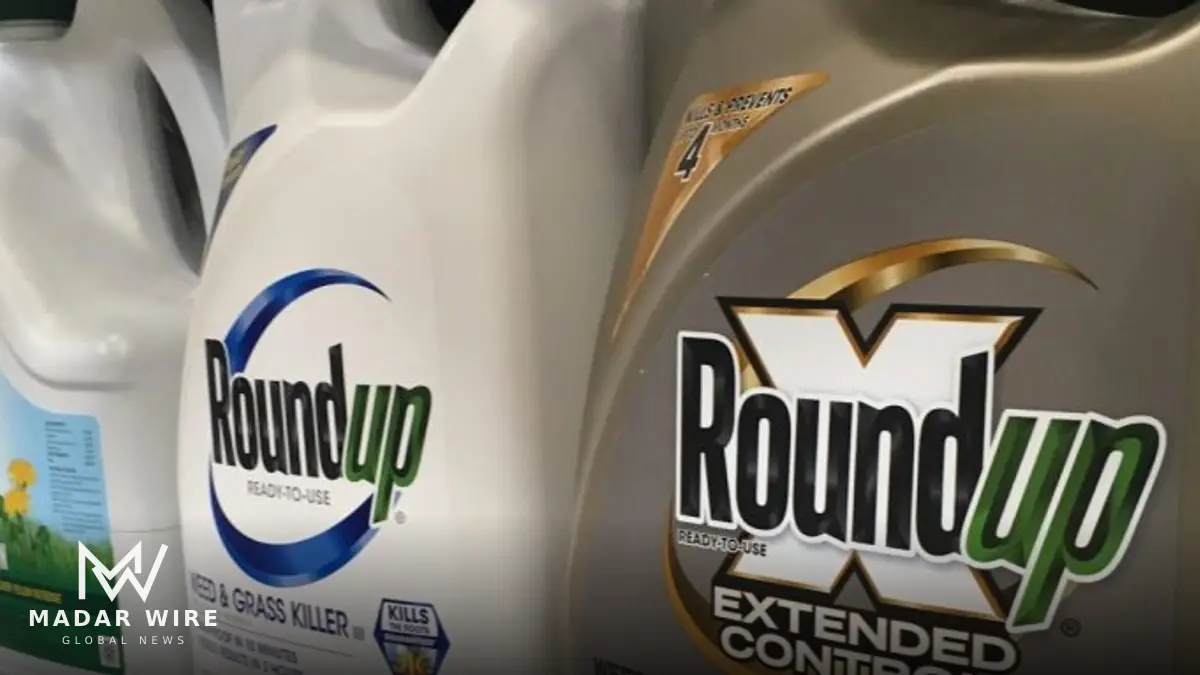
A federal judge in Missouri formally approved a proposed $7.25 billion settlement on Friday, resolving thousands of current and future cancer claims related to Monsanto’s Roundup weed killer. The decision, issued by U.S. District Judge Timothy Boyer, marks the conclusion of years of intense litigation over the popular agricultural product.
The settlement addresses allegations that exposure to Roundup caused plaintiffs to develop blood cancers, specifically non-Hodgkin lymphoma. According to reports from The Hill, the agreement was reached after extensive negotiations between the plaintiffs' legal teams and the defendants, including Monsanto and its parent company, Bayer.
Legal Resolution and Financial Scope
The $7.25 billion fund is designed to compensate individuals who have already filed lawsuits as well as those who may file claims in the future. This massive payout reflects the severity of the allegations and the volume of cases that had accumulated in federal courts across the United States. Legal experts note that the settlement eliminates the need for individual trials for the majority of claimants, providing a faster path to compensation.
While the financial figure is substantial, the approval does not constitute an admission of liability by the defendants. Instead, it serves as a compromise to avoid the costs and uncertainties of prolonged courtroom battles. The structure of the settlement ensures that funds are distributed based on the severity of the illness and the extent of exposure documented by each plaintiff.
Impact on Future Litigation
This ruling effectively caps the number of new lawsuits that can be filed under the specific class action framework. Future claimants must adhere to the established guidelines to receive compensation from the settlement fund. For many plaintiffs, the approval brings a long-awaited sense of closure after years of waiting for legal outcomes.
The decision also sets a precedent for how similar toxic tort cases may be handled in the future. By resolving the dispute through a class settlement, the court avoids the logistical challenges of managing thousands of individual trials. The Hill reported that the judge reviewed the agreement thoroughly to ensure it was fair, reasonable, and adequate for the affected class members.
As the settlement process moves forward, administrative committees will oversee the distribution of funds. Plaintiffs will need to submit their claims and supporting medical documentation to qualify for payments. This structured approach aims to ensure that the compensation reaches those most affected by the alleged health impacts of the herbicide.