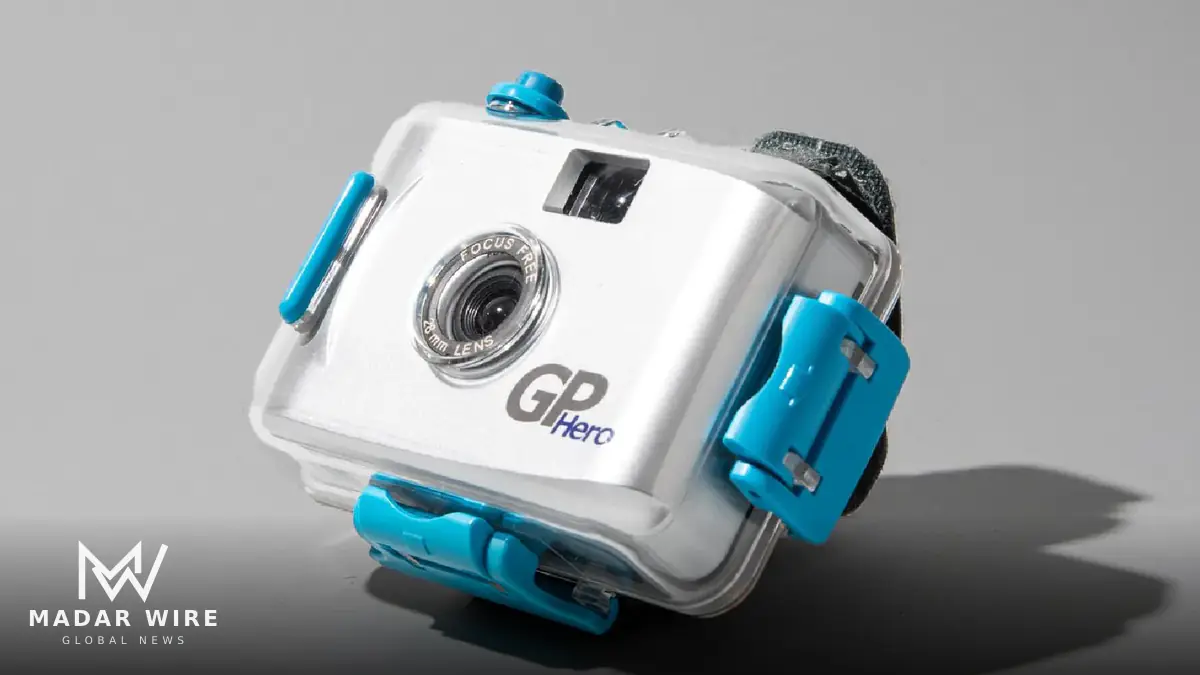
GoPro founder Nick Woodman unveiled the HERO camera in 2004, turning a niche surf‑board mount into a mass‑market action cam just as broadband and social platforms took off.
From Surfboards to Silicon Valley
Woodman, a former surf‑shop employee, first sketched a waterproof camera to capture his friends riding waves. After a failed attempt to sell a prototype to a surf‑gear retailer, he raised $200,000 from his mother’s credit card and a small group of angel investors, according to The Verge – Tech.
The early device, dubbed the “DS‑1,” cost $350 and recorded 720p video to a mini‑SD card. Its rugged design and low price resonated with extreme‑sport enthusiasts, who began posting footage online.
Timing the Social Media Surge
By the late 2000s, YouTube and Facebook were reshaping how users shared video. The Verge – Tech notes that GoPro’s timing was “serendipitous”: the platform’s user‑generated content boom created a demand for compact, high‑quality cameras that could be mounted anywhere.
GoPro responded with the HERO 2 in 2011, adding 1080p recording and Wi‑Fi connectivity. Each successive model introduced higher resolution, better stabilization, and a streamlined ecosystem of mounts and accessories, cementing the brand’s dominance.
Today, GoPro’s cameras power everything from adventure vlogs to professional documentaries, and the company’s software suite lets creators edit and publish directly to social feeds. The Verge – Tech credits the brand’s sustained relevance to its early embrace of an internet‑centric distribution model.