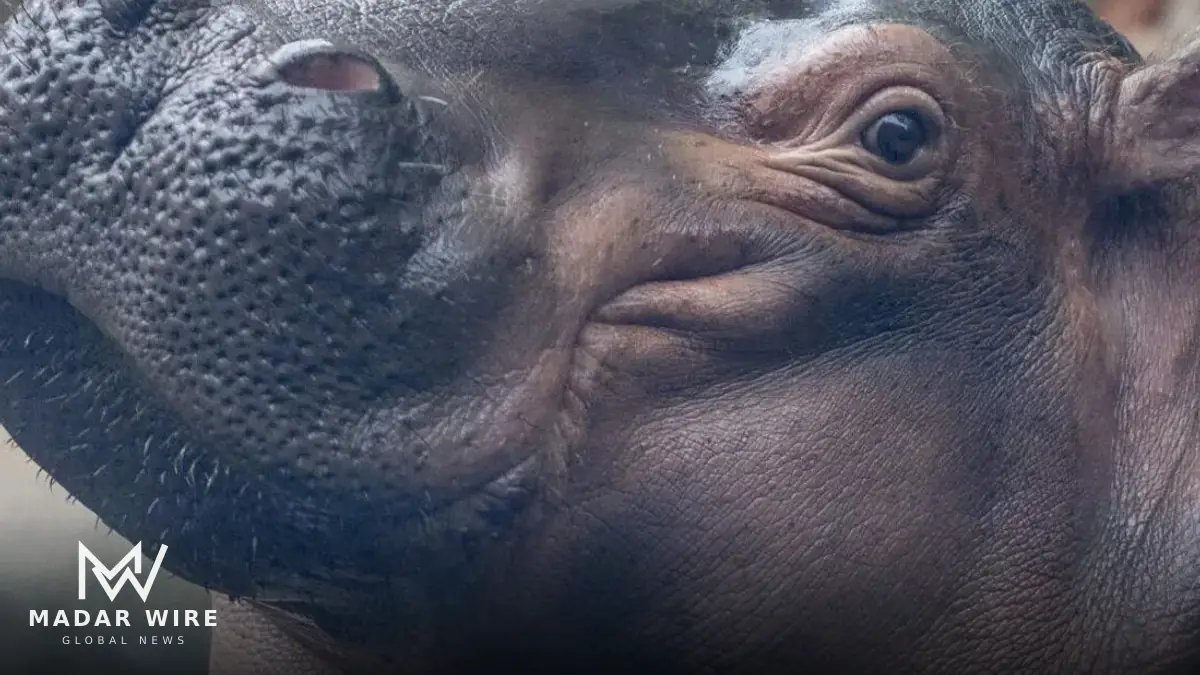
Memphis Zoo’s Fiona the Hippo has become a global internet sensation, illustrating a significant shift in how wildlife institutions connect with the public. As reported by the New York Times, her story highlights the tangible value that social media engagement brings to zoos beyond simple entertainment.
Animal videos have long been a staple of online content, but Fiona’s case marks a departure from passive consumption. Her journey from a struggling infant to a resilient adult captured millions of hearts, turning casual scrollers into invested followers. This phenomenon suggests that digital platforms can foster deeper, more sustained relationships between institutions and their audiences.
From Viral Clips to Financial Support
The economic impact of this digital engagement is substantial. According to the New York Times, the surge in online interest has directly correlated with increased foot traffic and donations to the Memphis Zoo. Fans who bonded with Fiona through social media updates are more likely to visit the facility or contribute to conservation efforts.
This trend challenges the traditional model of zoo marketing, which often relies on static brochures or generic advertisements. Instead, zoos are now leveraging the narrative power of individual animals to create compelling stories. These stories resonate with modern audiences who seek authenticity and emotional connection in their media consumption.
Strategic Digital Engagement
Experts note that this approach requires a strategic shift in how zoos manage their digital presence. It is no longer enough to post occasional updates; institutions must engage in consistent, high-quality storytelling. This includes sharing behind-the-scenes content, highlighting veterinary care, and emphasizing conservation missions.
The success of Fiona the Hippo serves as a case study for other zoos and wildlife organizations. By understanding the mechanics of viral engagement, these institutions can better allocate resources toward digital content creation. The result is a more engaged public that feels personally connected to the animals and the broader mission of wildlife preservation.
As social media continues to evolve, the role of zoos in the digital landscape will likely expand. The ability to translate online fame into offline support represents a new frontier for nonprofit organizations. This model not only benefits the institutions financially but also enhances public awareness of critical conservation issues.