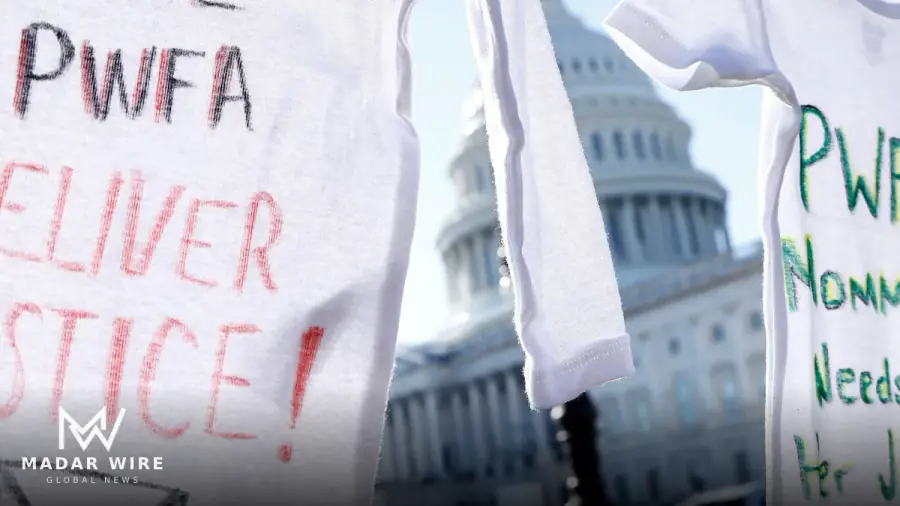
The Fifth Circuit Court of Appeals has issued a ruling that halts the implementation of the Pregnant Workers Fairness Act, declaring the legislation unconstitutional. This significant legal move effectively removes federal protections for pregnant employees regarding workplace accommodations, pending further judicial review.
According to reporting by The New York Times, the court’s decision rests on procedural grounds rather than the substantive merits of the labor protections. Judges determined that the law was passed using proxy voting mechanisms during the height of the pandemic, a process they deemed insufficient for such a major legislative change.
Legal Basis for the Ruling
The core of the Fifth Circuit’s argument centers on the legislative process used to enact the measure. The panel found that the reliance on proxy voting, rather than in-person deliberation, violated constitutional requirements for the passage of federal statutes. This technicality has now overshadowed the policy’s intent to support working mothers.
Legal analysts note that this ruling creates a fragmented legal landscape. While the law remains in effect in other circuits, the Fifth Circuit’s jurisdiction covers a substantial portion of the United States, including Texas, Louisiana, and Mississippi. Employers in these states may now face uncertainty regarding their obligations to provide accommodations for pregnancy-related conditions.
Path to the Supreme Court
With the appellate court’s decision, the case is poised for an immediate appeal to the U.S. Supreme Court. The stakes are high, as the Supreme Court’s interpretation of legislative procedure could have far-reaching implications beyond this specific labor law.
Advocacy groups for workers’ rights have expressed concern over the temporary suspension of these protections. They argue that the procedural argument should not negate the statutory rights of pregnant workers. Conversely, legal scholars who support the ruling emphasize the importance of strict adherence to constitutional legislative processes.
The next steps will depend on whether the lower court grants a stay or if the parties petition the Supreme Court for certiorari. Until a final resolution is reached, the legal status of the Pregnant Workers Fairness Act remains in flux, leaving many employees and employers in a state of uncertainty regarding federal labor standards.