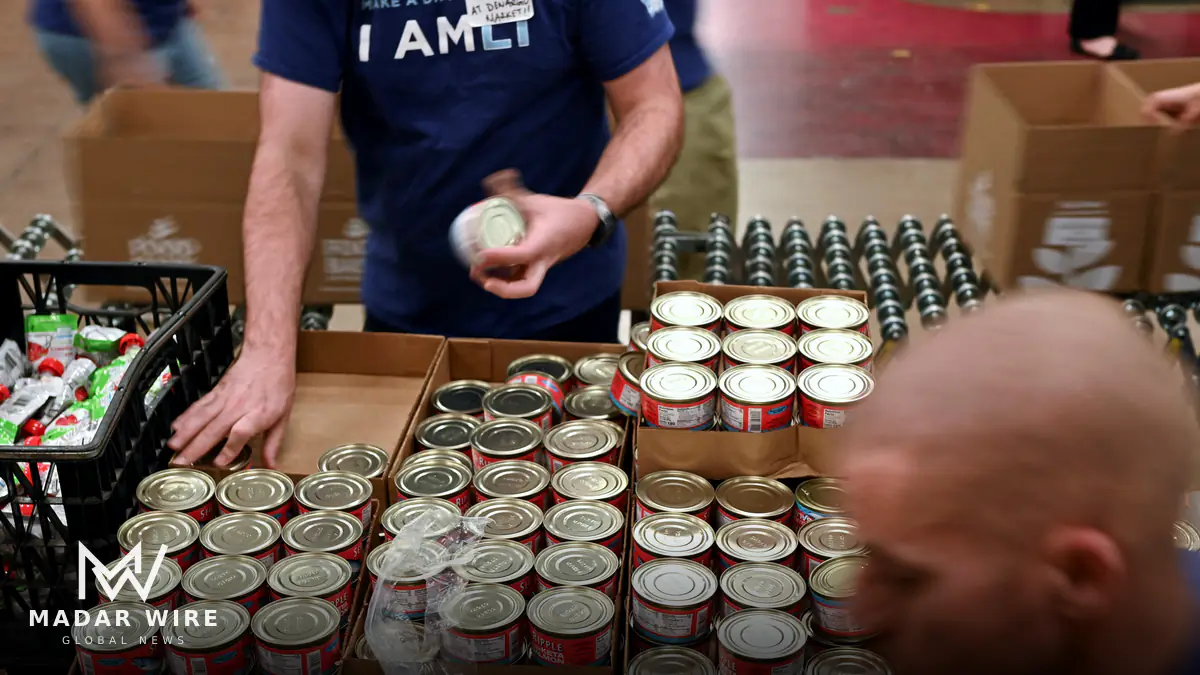
Food banks across the United States are bracing for a challenging holiday season as a surge in demand coincides with persistent grocery inflation. According to reports from NPR, charitable organizations are struggling to keep pace with the number of families seeking assistance as the cost of basic necessities remains elevated.
Linda Nageotte, president and CEO of Feeding America, told NPR that the current economic environment has created a unique strain on the nation's food security infrastructure. While employment numbers remain steady, the rising cost of living has effectively eroded the purchasing power of many American households, forcing them to turn to local food pantries to bridge the gap.
Inflation Strains Household Budgets
The reliance on food banks is no longer limited to the most vulnerable populations. Nageotte noted that Feeding America is seeing an influx of individuals who have never previously required charitable food assistance. These "first-time users" often include middle-income families who are finding it impossible to balance rent, utilities, and grocery bills simultaneously.
The situation is particularly acute as the holiday season approaches, a time when food banks typically see a seasonal increase in requests. With grocery prices showing little sign of significant cooling, the nonprofit network is working to mobilize additional resources to ensure that community pantries remain stocked through the end of the year.
Logistical Challenges for Food Networks
Beyond the increased volume of visitors, food banks are also navigating complex logistical hurdles. Rising transportation and storage costs have impacted the efficiency of the supply chain, making it more expensive to distribute donated goods to rural and underserved areas.
Despite these obstacles, Feeding America continues to coordinate with local partners to mitigate the impact of the current crisis. The organization is calling for sustained community support and donations to ensure that the increased demand does not lead to gaps in service during the critical winter months.