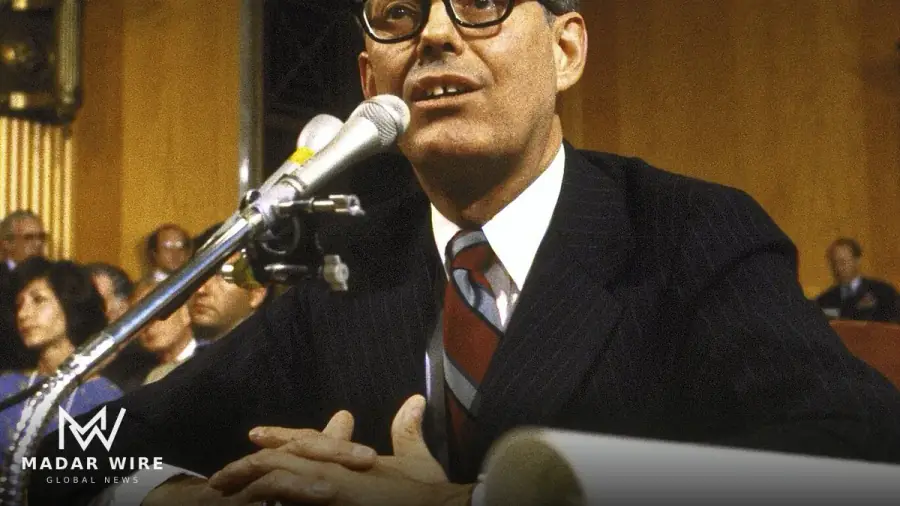
Former U.S. intelligence leader Bobby Ray Inman died on Tuesday at the age of 95, the New York Times (NYT - US News) reported. Inman, a retired admiral, was widely respected for his tenure as director of the National Security Agency and as deputy director of the Central Intelligence Agency.
Born in 1931 in Texas, Inman entered the Navy in 1950 and rose through the ranks to become a three‑star admiral. He was appointed NSA director in 1977, overseeing a period of rapid technological change and expanding signals‑intelligence capabilities.
Career Highlights
After leaving the NSA, Inman served as CIA deputy director from 1979 to 1981, where he helped steer the agency through the aftermath of the Iran hostage crisis and heightened Cold‑War tensions. He later chaired the President’s Foreign Intelligence Advisory Board under both Presidents Carter and Reagan, providing strategic counsel on national security matters.
In 1993, President Bill Clinton nominated Inman for secretary of defense, but Inman declined, stating that the demands of the role would conflict with his desire to spend more time with family. The decision was covered extensively by NYT - US News, which noted his reputation for principled decision‑making.
Legacy and Reactions
Former colleagues and current officials praised Inman’s steady hand and moral clarity. Former Secretary of State James A. Baker said, “Bobby Inman embodied the quiet professionalism that keeps our nation safe.” The Department of Defense issued a statement calling him “a distinguished public servant whose contributions shaped modern intelligence operations.”
Inman’s memoirs, published in 2015, reflected on the evolution of espionage and the importance of bipartisan cooperation. His death marks the passing of one of the last senior officials who directly managed Cold‑War intelligence structures.
Funeral arrangements will be private, and the family has requested that donations be made to veteran support charities in his honor.