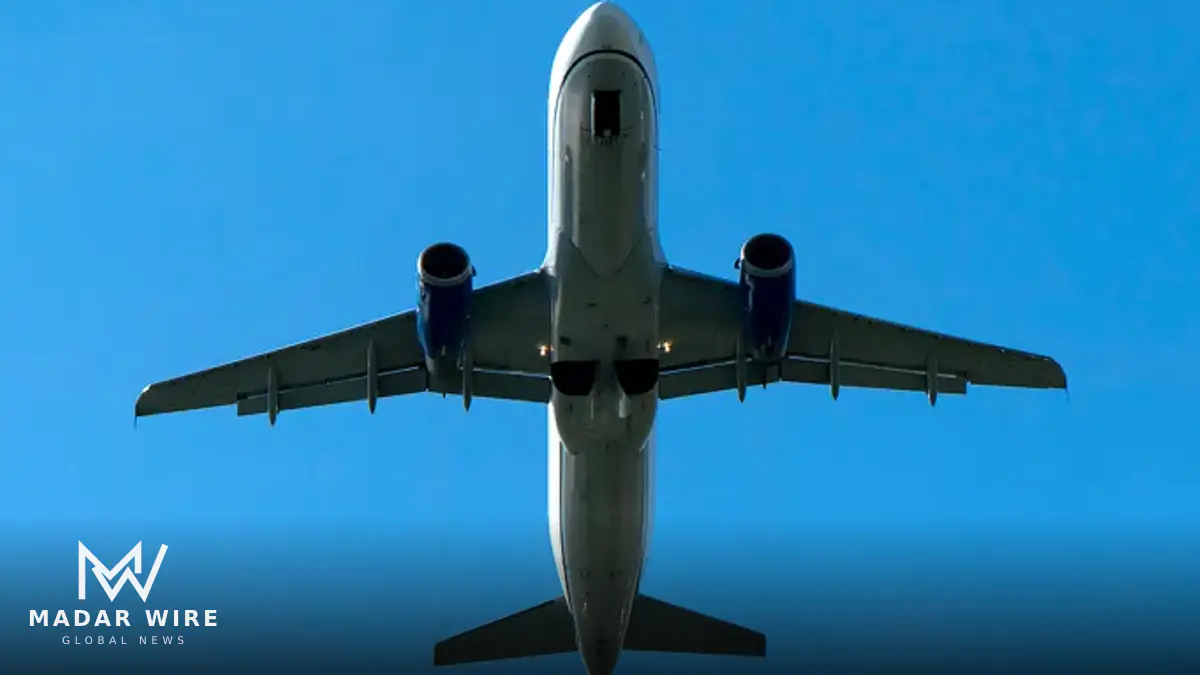
The U.S. Army has formally requested federal approval to resume helicopter training flights in the vicinity of Ronald Reagan Washington National Airport. The proposal, reported by The Hill, marks a significant shift in regional airspace policy nearly two years after a catastrophic midair collision over the Potomac River resulted in 67 fatalities.
Rep. Don Beyer (D-Va.), whose district encompasses the airport and surrounding flight paths, confirmed Monday that Army officials had briefed his office on the plan. The potential return of military aircraft to the busy corridor has immediately reignited debates over flight safety and the management of restricted airspace near the nation’s capital.
Safety Concerns and Congressional Oversight
The proposed resumption of flights faces immediate scrutiny from local representatives and aviation safety advocates. Critics argue that the dense commercial traffic at Reagan National, combined with the complex geography of the Potomac River corridor, presents an unacceptable risk profile for military training exercises.
Rep. Beyer has signaled that he intends to press the Army for detailed safety protocols and risk mitigation strategies before any such flights are authorized. The lawmaker’s office emphasized that the primary concern remains the protection of commercial passengers and residents in the densely populated Northern Virginia area.
The Legacy of the Potomac Collision
The push to restart operations comes in the shadow of a deadly midair collision that occurred two years ago. While the investigation into that tragedy led to a comprehensive review of regional flight procedures, the Army’s current request suggests a desire to return to pre-incident training patterns.
Federal regulators are now tasked with balancing the military’s requirement for operational readiness against the stringent safety standards required for one of the country’s most congested airports. The Army has yet to provide a specific timeline for when these flights might commence, pending a final review by the Federal Aviation Administration and other relevant oversight bodies.